
The Gardening Calendar: What to Do in Every Season

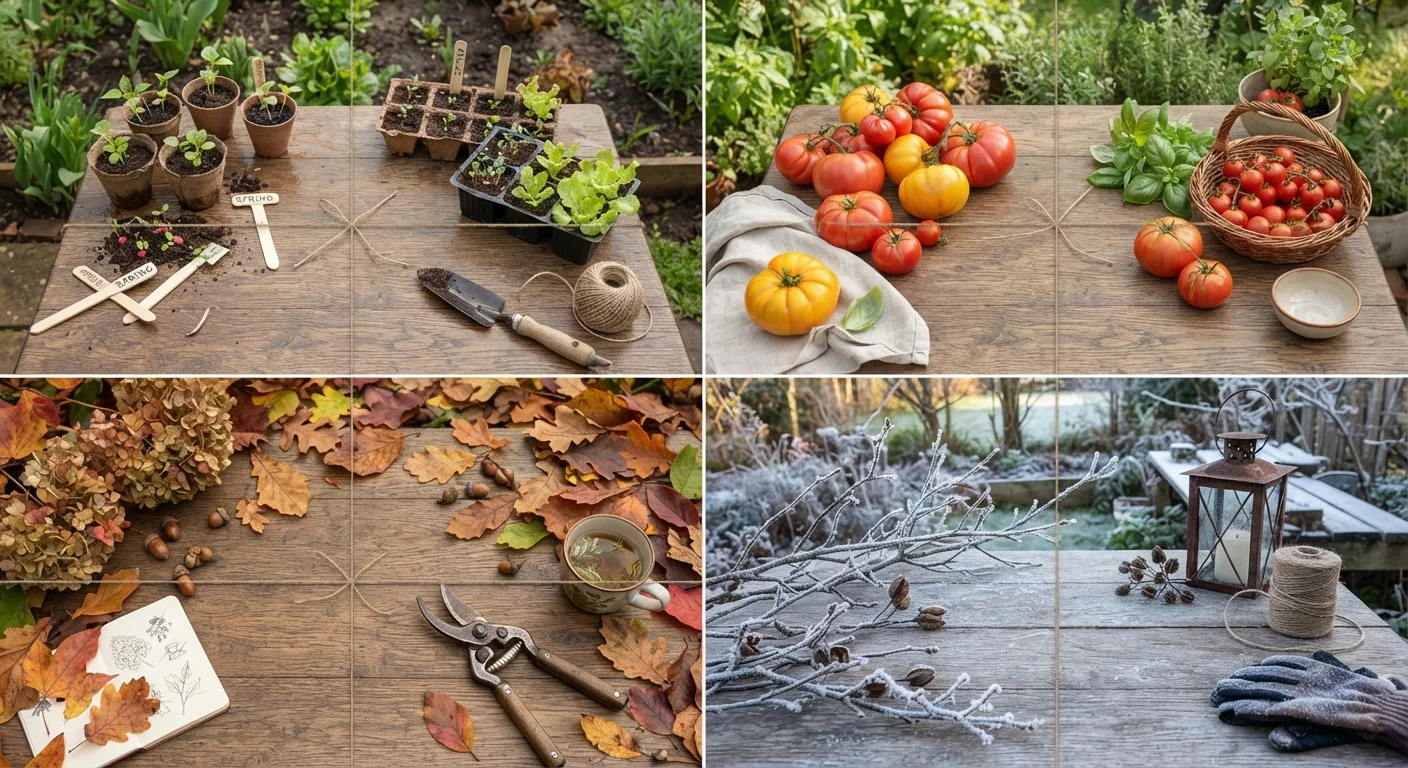
A seasonal reference for sowing, pruning, feeding, and protecting your garden — from the first frost thaw to the last harvest.
How to Use This Calendar
A gardening calendar isn't a strict schedule — it's a rhythm. Because climate varies widely across the US, from USDA hardiness zones 3 in the northern plains to zone 10 in southern Florida, the exact timing of tasks will shift depending on where you live. Use this guide as a framework, then adjust based on your local last and first frost dates, which are available through your county's cooperative extension service.
If you're just getting started, see our step-by-step first-timer's walkthrough before diving into this calendar. And if you're working with limited space, much of this advice applies equally to container and balcony gardening setups.
Spring: Prepare, Sow, and Wake Things Up
Early spring is about soil work before planting begins. As soon as the ground is workable — meaning it crumbles rather than clumps — add a 2–3 inch layer of compost and work it into the top 6–8 inches. Before adding amendments, a basic soil test (available through most extension offices and many garden centers) will tell you your pH and nutrient levels. See our preparation checklist for new garden beds for a full pre-plant walkthrough.
- Start cool-season seeds indoors 6–8 weeks before your last frost date: lettuce, kale, broccoli, and snapdragons all benefit from an early start.
- Direct-sow cold-tolerant seeds like spinach and peas outdoors once soil temperature reaches 40–50°F.
- Cut back ornamental grasses and dead perennial stems left standing over winter — new growth will emerge from the base.
- Apply a balanced, slow-release fertilizer to perennial beds and lawns once new growth is clearly visible.
Mid-to-late spring is prime planting time for most gardeners. After your last frost date has passed, transplant warm-season seedlings — tomatoes, peppers, basil — outdoors. Harden them off first by setting them outside in sheltered shade for progressively longer periods over 7–10 days. This reduces transplant shock significantly.
Spring is also when pest management begins in earnest. Check leaf undersides for aphid colonies and use row covers to protect brassicas from cabbage moths.
Summer: Maintain, Water, and Harvest
Summer gardening is largely about consistent maintenance. Heat and longer days accelerate both plant growth and problems, so a regular walk through the garden every two or three days pays dividends.
- Watering: Most vegetable gardens need approximately 1 inch of water per week, more during heat waves. Water deeply and less frequently to encourage roots to grow downward. Morning watering reduces fungal risk by allowing foliage to dry before nightfall.
- Mulching: Apply 2–3 inches of organic mulch (straw, shredded leaves, wood chips) around plants to retain soil moisture, suppress weeds, and regulate soil temperature. Keep mulch a few inches away from plant stems to avoid rot.
- Feeding: Heavy feeders like tomatoes, squash, and corn benefit from a side-dressing of compost or a liquid fertilizer every 3–4 weeks once fruiting begins.
- Deadheading: Remove spent flowers from annuals and many perennials to redirect the plant's energy into new blooms rather than seed production.
- Harvesting: Pick vegetables at peak ripeness and consistently — leaving overripe produce on the plant signals it to slow production.
Mid-summer is a smart time to plan for fall. Sow a second round of fast-maturing crops like bush beans and radishes, and start fall brassica seedlings indoors around midsummer so they're ready to transplant when summer heat fades. Understanding how annuals and perennials differ will help you plan these succession gaps more strategically.
Fall: Harvest, Plant Bulbs, and Put the Garden to Bed
Fall is a two-phase season: the first half is a continuation of harvest and late planting; the second is a deliberate wind-down that sets up next year's success.
- Continue harvesting warm-season crops until first frost. Green tomatoes can be brought indoors to ripen on a countertop away from direct sunlight.
- Plant spring-blooming bulbs — tulips, daffodils, alliums — after soil temperatures drop below 60°F but before the ground freezes. Aim for 6–8 weeks before your average first hard frost.
- Sow garlic cloves 4–6 weeks before the ground freezes for a summer harvest next year.
- Cut back diseased plant material and compost healthy stems and foliage. If you haven't started a compost system yet, fall's abundance of organic material is the perfect motivation — our composting guide walks you through the basics.
- Leave some seed heads standing on plants like coneflowers and black-eyed Susans — they feed overwintering birds and add winter structure.
- Apply a layer of mulch over perennial beds after the first hard frost to moderate soil temperature fluctuations through winter.
Adjust All Dates to Your Local Frost Dates
Every timing recommendation in this calendar is relative to your local last spring frost and first fall frost dates — not fixed calendar months. A gardener in Georgia and one in Minnesota may be months apart on the same task. Your county's cooperative extension service is the most reliable free source for local frost date data and planting guides specific to your region.
Winter: Rest, Reflect, and Plan Ahead
Winter is the season when the garden requires the least physical labor but benefits the most from your mental attention. Use quieter months to review what worked, what didn't, and what you want to grow next year.
- Order seeds early. Seed catalogs and online listings often sell out of popular varieties by late winter. Plan your crop rotation — moving plant families to different beds each year reduces soil-borne disease buildup.
- Clean and sharpen tools. Wipe metal blades clean, apply a light coat of oil to prevent rust, and sharpen edges on pruners and hoes. A sharp pruner makes cleaner cuts that heal faster.
- Protect tender plants. Wrap marginally hardy shrubs in burlap and apply an anti-desiccant spray to broadleaf evergreens in climates with harsh, drying winds.
- Check stored produce. If you've stored root vegetables, winter squash, or canned goods, inspect them periodically and remove anything showing signs of rot to protect the rest.
- Start indoor growing. Winter windowsills can support herbs and microgreens. Our guide to maximizing natural light for indoor plants will help you choose the right spots.
Winter is also a good time to budget for the coming growing season. Garden expenses — seeds, amendments, tools, new plantings — can add up, and planning ahead prevents overspending. Pairing your garden calendar with a household budget review is a practical way to align your growing ambitions with what you're comfortable spending.
All published content on this website is for informational and educational purposes only and should not be taken as professional advice. We recommend that readers seek expert opinion before making any decisions. The website is not responsible for any actions taken based on the information provided on this website. We are not liable for any inaccuracies, modifications, or omissions in information. Moreover, external links or third-party content are provided for convenience; we are not liable for their correctness. Users are advised to verify every piece of information before they use it for any purpose.