
Indoor Plants and Natural Light: Making the Most of What You Have

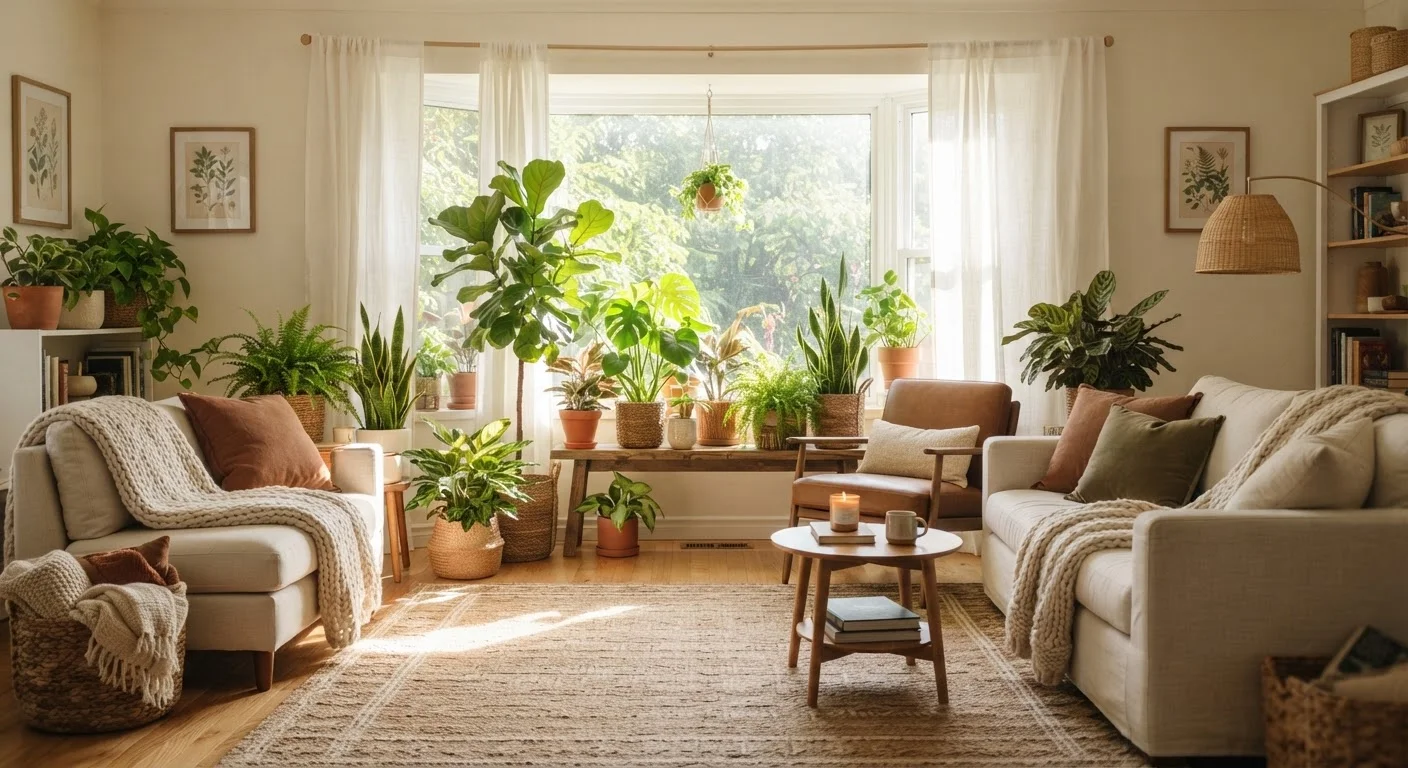
How light direction, distance from windows, and seasonal changes affect indoor plant health — plus how to adapt when light is limited.
Key takeaways
- Window direction is the single biggest factor determining how much light a spot receives indoors.
- Light intensity drops sharply even a few feet away from a window — distance matters more than most people expect.
- Seasonal changes shift both the angle and duration of sunlight entering your home significantly.
- Most houseplant problems blamed on watering are actually caused by inadequate or excess light.
- Simple adjustments — rotating plants, cleaning glass, or adding reflective surfaces — can meaningfully boost available light.
- Plant labels use standardized light terms that directly correspond to specific window exposures.
How Window Direction Shapes Your Light Environment
Before purchasing a single plant, understanding your window orientations will save you years of guesswork. Each cardinal direction delivers a fundamentally different quality of light.
- South-facing windows receive the most consistent, intense light throughout the day in the Northern Hemisphere — ideal for sun-lovers like succulents, cacti, and herbs.
- East-facing windows provide gentle morning sun that many foliage plants and flowering houseplants thrive in — bright but not scorching.
- West-facing windows deliver strong afternoon sun, which can be intense in summer. Plants that tolerate direct light generally do well here, though sensitive species may need protection from harsh afternoon rays.
- North-facing windows receive the least direct sunlight and are limited to low-light tolerant plants. Maximizing every lumen matters most in these spaces.
The terms on plant labels — "full sun," "bright indirect," "low light" — correspond directly to these exposures. Decoding plant label terminology makes it much easier to match plants to the light you actually have rather than the light you wish you had.
Use a Compass App Before You Buy
Before purchasing a new plant, use your smartphone's compass app to confirm the exact orientation of your windows — what looks east-facing may actually be southeast, which changes the light profile meaningfully. Taking five minutes to verify orientation before you shop makes plant selection far more accurate and reduces the guesswork that leads to plant losses.
The Distance Problem: Why Location Within a Room Matters
Light intensity doesn't diminish gradually as you move away from a window — it drops off rapidly. This is described by the inverse square law in physics: doubling your distance from a light source reduces intensity to roughly one-quarter of what it was. In practical terms, a plant sitting 8 feet from a window is receiving a fraction of the light available just 2 feet away.
This is why so many houseplants that appear to be "in a bright room" still struggle. The room may look well-lit to human eyes, which adapt readily to varying conditions, but a plant 6 or 8 feet from the nearest window is effectively in dim conditions.
A simple approach: use a light meter app on your smartphone to measure foot-candles at different spots in your home. The difference between a windowsill and the center of the same room is often startling — and it explains a great deal about why certain plants thrive or decline.
~75%
Light reduction from a dirty window
Research in horticulture and building science has shown that accumulated grime on glass can reduce light transmission by up to 75%, significantly affecting plants grown indoors.
4x
Drop in light intensity at 4 feet vs. 1 foot from window
Based on the inverse square law, moving a plant from 1 foot to 4 feet away from a window reduces the light intensity it receives to roughly one-sixteenth of the original level.
30–50%
Light blocked by sheer curtains
Even lightweight sheer or voile curtains can block a substantial portion of the light that would otherwise reach plants placed directly behind them.
Seasonal Shifts and How to Adapt
Indoor light is not static. As the Earth tilts through its annual cycle, the angle and intensity of sunlight entering your home changes substantially. A south-facing windowsill that bakes in strong winter light may be shaded by roof overhangs or adjacent structures when the summer sun rises higher in the sky. Conversely, areas that seemed adequate in summer can become genuinely dim by December.
Adapting to this means being willing to move plants seasonally. Many experienced indoor gardeners treat their plant arrangement as something to revisit every few months rather than a permanent installation. Moving sun-loving plants closer to windows in fall and winter — or rotating them to south-facing rooms — can meaningfully compensate for reduced light intensity.
The seasonal gardening calendar is a useful reminder that houseplants, like outdoor plants, respond to the rhythms of the year. Slower winter growth is often normal, not a sign of crisis — but genuinely inadequate light will cause more persistent decline.
Practical Strategies When Light Is Limited
If your home doesn't offer generous natural light, several straightforward interventions can make a real difference:
- Clean your windows regularly. Dirty glass can block a meaningful percentage of incoming light — a simple cleaning twice a year improves transmission noticeably.
- Use light-reflective surfaces. Positioning plants near white walls, mirrors, or pale-colored furniture bounces available light back toward foliage. Interior decorating choices directly affect your plant options — strategic use of light in small spaces benefits plants as much as it benefits the room's perceived size.
- Choose appropriate plants. Rather than fighting your light conditions, lean into them. Snake plants (Sansevieria), pothos, philodendrons, ZZ plants, and cast iron plants are genuinely adapted to low-light environments — not just tolerant of it.
- Add supplemental grow lighting. Full-spectrum LED grow bulbs have become widely available and relatively affordable. Used consistently for 12–16 hours per day, they can sustain a wide range of plants even in windowless spaces.
- Avoid blocking windows with furniture or heavy drapes during daylight hours. Even sheer curtains can reduce usable plant light by 30–50%.
Light problems and watering problems are often confused. If you notice persistent wilting or yellowing despite what feels like adequate watering, light may be the actual issue — understanding why plants wilt even when watered can help untangle the two.
Matching Plants to Your Real Conditions
The most reliable path to indoor plant success is honest assessment of your space before choosing what to grow. Walk through each room at different times of day, note which windows receive direct sun and for how long, and identify the naturally bright versus dim zones.
From there, match plants to zones rather than trying to coax sun-loving plants into dark corners. If you have a bright south-facing kitchen window, that's where your herbs, succulents, or small citrus trees belong. A north-facing bedroom is better suited to ferns, prayer plants, or a cast iron plant.
For those interested in expanding beyond windowsills, container gardening in small spaces offers practical guidance on getting the most from limited real estate — light and container choice often work in tandem. Pairing good light assessment with sound watering practices covers the two biggest variables in houseplant health.
Working with your light conditions rather than against them transforms indoor plant care from a frustrating cycle of struggling plants into a genuinely rewarding practice.
Frequently Asked Questions
All published content on this website is for informational and educational purposes only and should not be taken as professional advice. We recommend that readers seek expert opinion before making any decisions. The website is not responsible for any actions taken based on the information provided on this website. We are not liable for any inaccuracies, modifications, or omissions in information. Moreover, external links or third-party content are provided for convenience; we are not liable for their correctness. Users are advised to verify every piece of information before they use it for any purpose.