
Raised Beds vs. In-Ground Planting: Weighing the Real Differences

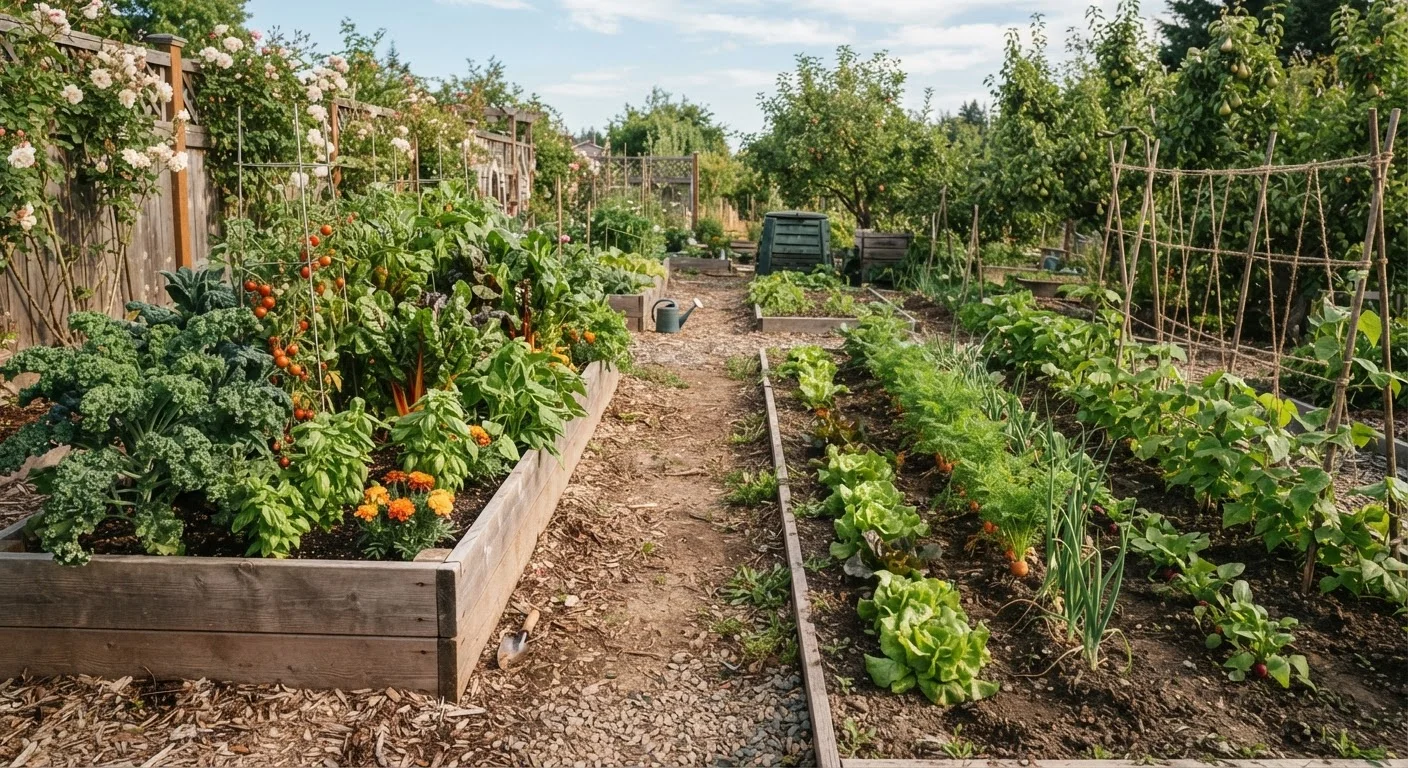
Drainage, cost, soil control, and maintenance — a clear-eyed look at both approaches to help you plan your growing space.
Our Verdict
Raised beds shine when soil quality is poor, drainage is a problem, or physical accessibility matters. In-ground planting is a practical, lower-cost option for gardeners with workable native soil and room to grow. Most experienced gardeners end up using both, matching the method to the crop and the corner of the yard.
| Best for | Recommended |
|---|---|
| Gardeners with compacted, rocky, or contaminated native soil | Raised Beds |
| Those managing a tight starting budget or a large growing area | In-Ground Planting |
| Anyone in a short-season or cool climate wanting an earlier start | Raised Beds |
| Growers planting deep-rooted or sprawling crops like squash, corn, or potatoes | In-Ground Planting |
Key takeaways
- Raised beds offer better drainage and soil control but require a higher upfront investment.
- In-ground planting is more cost-effective and suits large-scale growing, but depends heavily on existing soil quality.
- Raised beds warm up faster in spring, giving cool climates an earlier planting window.
- In-ground beds support deep-rooted crops like corn and squash more naturally.
- Neither method is universally superior — your site conditions and goals should drive the decision.
The Core Difference: What Each Approach Actually Means
Raised bed gardening means growing plants in a contained structure — typically a wooden, metal, or composite frame — filled with a custom soil mix that sits above the native ground. In-ground planting means working directly with the existing earth, amending it as needed and planting within it.
The distinction sounds simple, but it shapes almost every variable that follows: drainage, cost, soil quality, weed pressure, and even what you can realistically grow. Before comparing the two, it helps to be honest about what your site actually offers. Running through a preparation checklist before you commit to either method can save significant time and money.
Drainage and Soil Control
This is where raised beds earn their strongest case. A well-built raised bed filled with a balanced mix of topsoil, compost, and other organic matter gives you near-complete control over what your plants grow in. If your native soil is heavy clay, sandy and fast-draining, or compacted from years of foot traffic, a raised bed sidesteps the problem entirely rather than requiring you to fix it.
Raised beds also drain more freely than flat ground, which reduces the risk of waterlogging — a common cause of root rot in poorly drained yards. That said, very fast drainage can be a drawback in hot, dry climates, where raised beds may dry out more quickly and demand more frequent watering. Understanding sound watering practices becomes especially important in raised bed setups for this reason.
In-ground beds rely on whatever drainage your site naturally provides. In loamy, well-structured soil, that's perfectly fine. In problem soil, it requires real work — tilling, adding organic matter season after season, and sometimes installing drainage infrastructure. The upside is that native soil, once improved, tends to be more self-sustaining over time as it develops its own biology.
| Raised Beds | In-Ground Planting | |
|---|---|---|
| Upfront Cost | Moderate to high ($100–$300+ per bed) | Low (amendments and labor only) |
| Soil Control | Complete — fill with custom mix | Limited — depends on native soil |
| Drainage | Excellent; may dry out faster | Variable; depends on site |
| Weed Pressure | Low initially, manageable over time | Can be significant, especially early on |
| Seasonal Warm-Up | Faster; earlier spring planting | Slower; follows ambient ground temp |
| Deep-Rooted Crops | Limited by bed depth | Unrestricted root spread |
| Physical Accessibility | High — adjustable height, no bending | Lower — requires ground-level work |
| Long-Term Maintenance | Frame upkeep; soil top-dressing | Ongoing soil amendment; tilling |
Upfront Cost and Long-Term Investment
Cost is the most common reason gardeners hesitate before building raised beds. Materials for a single 4-by-8-foot frame — lumber or galvanized steel, hardware, and a quality soil mix to fill it — can run anywhere from roughly $100 to $300 or more depending on material choice and regional pricing. Scale that across a large growing area and the investment becomes substantial.
In-ground planting requires little more than a shovel, compost or soil amendments, and some elbow grease to get started. For gardeners working within a tight budget or planning to grow on a large scale, this is a significant practical advantage.
The long-term picture is more nuanced. Raised beds, once built, can last many years with minimal maintenance — particularly those made from rot-resistant or powder-coated metal. But wooden frames, especially pine, will eventually decay and need replacing. In-ground beds have no structural cost but may require ongoing investment in soil amendments, especially in nutrient-poor or compacted sites.
Weed Pressure, Pests, and Accessibility
Raised beds start with a clean slate. Because you fill them with fresh growing medium rather than native soil, they begin largely weed-free. Weeds do arrive over time — carried by wind, birds, and compost — but the controlled environment makes them easier to spot and remove before they establish. A layer of mulch adds further suppression. For a balanced look at that strategy, see our guide on when mulching makes sense.
In-ground beds often contend with existing weed seed banks in the soil, which can make the first few seasons particularly labor-intensive. Over time, consistent cultivation and mulching reduce pressure, but it rarely disappears entirely.
For gardeners who find bending or kneeling difficult, raised beds offer a meaningful ergonomic advantage. Frames built 12 to 24 inches tall significantly reduce strain. Narrow beds — no wider than about 4 feet — allow you to reach the center from either side without stepping in.
On the pest front, raised beds can make it easier to install row covers and barriers. However, they don't eliminate pest pressure altogether. Soil-dwelling pests like cutworms and root aphids can still establish over time. Non-chemical pest management approaches are worth exploring for both methods.
Crop Suitability and Growing Season
Raised beds warm up faster in spring because the soil mass is smaller and more exposed to air temperature. In cooler climates or short growing seasons, this can translate to two or three extra weeks of growing time at each end of the season — meaningful when you're trying to get tomatoes or peppers to maturity.
However, that same characteristic limits raised beds for certain crops. Deep-rooted vegetables — carrots in loose soil perform well, but larger root crops, corn, sprawling squash, and vining melons often do better in open ground where roots can spread without restriction and plants can sprawl without crowding a frame.
When choosing what to start with, your method decision also connects to whether you're starting from seeds or seedlings — raised beds tend to suit direct-sown greens and transplanted starts equally well, while large in-ground plots are often better suited to direct seeding at scale.
For those gardening in shared or rented spaces, such as a community garden plot, raised beds may or may not be permitted — always confirm the rules before building.
All published content on this website is for informational and educational purposes only and should not be taken as professional advice. We recommend that readers seek expert opinion before making any decisions. The website is not responsible for any actions taken based on the information provided on this website. We are not liable for any inaccuracies, modifications, or omissions in information. Moreover, external links or third-party content are provided for convenience; we are not liable for their correctness. Users are advised to verify every piece of information before they use it for any purpose.