
Mulching: The Upsides, the Downsides, and When It Makes Sense

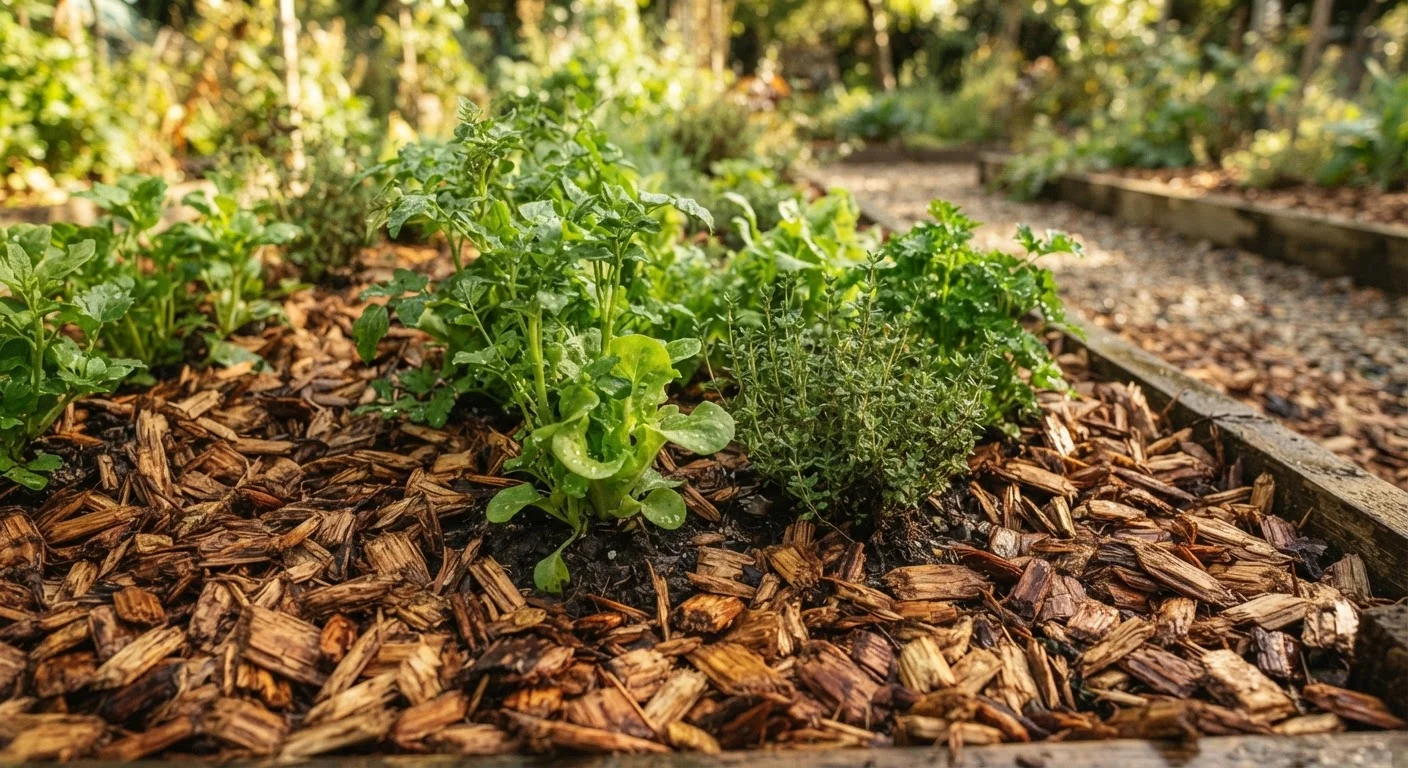
Mulch suppresses weeds and retains moisture — but it also has real drawbacks depending on your climate, soil, and plant type.
Our Verdict
Mulching is one of the most versatile tools in a gardener's kit, but it performs best when matched to your specific soil, climate, and plant palette. Done right — correct material, correct depth, pulled back from stems — it reduces workload and supports plant health. Done carelessly, it can silently damage the very plants it's meant to protect.
Mulching makes the most sense for gardeners growing moisture-loving perennials, vegetables, or shrubs in regions where water conservation and weed pressure are ongoing challenges.
Key takeaways
- Mulch conserves soil moisture, suppresses weeds, and moderates soil temperature for most plants.
- Applied incorrectly, mulch can cause root rot, harbor pests, and lock out beneficial rainfall.
- Choosing the right mulch type and depth matters as much as whether you mulch at all.
- Some plants — especially drought-tolerant and alpine species — do better with little or no mulch.
- Organic mulches break down over time, feeding soil biology and improving structure.
What Mulch Actually Does in Your Garden
Mulch is any material — organic or inorganic — spread over the surface of soil to modify the growing environment. Its primary jobs are to slow evaporation, moderate soil temperature, and physically block weed seeds from germinating. Secondary benefits depend on what type of mulch you use.
Organic mulches — shredded bark, wood chips, straw, compost, leaf mold — gradually decompose and feed soil microbes and earthworms. Over a season or two, this biological activity can noticeably improve soil structure, particularly in compacted clay or sandy soils that drain too fast. Inorganic options like gravel or landscape fabric don't break down, which means they don't improve soil biology, but they last longer and work well in specific situations such as paths or around drought-tolerant plantings.
Understanding this foundational distinction helps you choose the right material before you spread a single bag. If you're still sorting out the basics of your growing space, the checklist in Before You Plant covers soil testing and drainage factors that should inform your mulching decisions.
Organic vs. Inorganic Mulch: A Quick Distinction
Organic mulches (bark, straw, compost, leaves) decompose over time and improve soil biology — but they need periodic replenishment, usually once a season. Inorganic mulches (gravel, landscape fabric, rubber) are more permanent and don't add nutrients. Neither type is universally superior; the right choice depends on the plants you're growing, your climate, and your maintenance preferences.
The Real Advantages of Mulching
When applied thoughtfully, mulch delivers tangible, measurable benefits that reduce garden labor and support healthier plants.
Significantly reduces soil moisture evaporation
A 2–3 inch organic mulch layer creates a physical barrier that slows water loss from the soil surface, reducing how often beds need irrigation during dry spells.
Suppresses most annual weed germination
By blocking light from reaching the soil surface, mulch prevents the majority of weed seeds from germinating. This effect is most pronounced against shallow-rooted annual weeds.
Moderates extreme soil temperatures
Mulch acts as insulation, keeping soil cooler in summer heat and slowing frost penetration in fall — extending the productive season for roots and soil biology.
Organic types feed soil biology as they break down
Shredded bark, compost, and leaf mold decompose gradually, introducing organic matter that supports earthworms, beneficial fungi, and the microbial communities that improve soil structure.
Reduces soil compaction from rain impact
Bare soil exposed to heavy rain can become compacted as water droplets dislodge particles. A mulch layer absorbs the impact and keeps soil structure intact.
Lowers overall garden maintenance time
Fewer weeds to pull and reduced watering frequency are direct time savings that most gardeners notice within one growing season of consistent mulching.
The moisture-retention benefit is especially meaningful in regions with hot summers or watering restrictions. Research from cooperative extension programs consistently shows that a 2–3 inch mulch layer can cut soil water loss significantly compared to bare soil — which translates directly to less frequent watering. This pairs well with smart watering practices that encourage deep root development rather than surface dependence.
2–3 inches
Optimal mulch depth for most garden beds
University cooperative extension programs widely recommend this depth as the balance point between effective moisture retention and safe root oxygenation.
2–4 inches
Gap to maintain between mulch and plant stems
Keeping mulch clear of stems and trunk bases is a standard horticultural recommendation to prevent bark decay and rodent damage.
The Drawbacks You Should Know Before You Start
Mulch is not universally beneficial. Several of its properties that help in one context can cause real problems in another.
Mulch volcanoes rot bark and invite disease
Piling mulch against tree trunks and shrub stems traps chronic moisture against bark tissue, creating conditions for fungal cankers and decay. Rodents also shelter beneath the pile and can girdle roots over winter.
Can harbor slugs, snails, and other pests
The moist, sheltered environment beneath organic mulch is ideal habitat for slugs, pill bugs, and certain beetles. In gardens already prone to these pests, thick mulch can worsen the problem.
May prevent beneficial rainfall from reaching roots
A very dense, compacted mulch layer — especially fine-textured materials that mat together — can shed light rainfall before it penetrates to the soil, creating a dry zone directly below a mulch that looks moist on top.
Wood chip mulch can temporarily tie up soil nitrogen
As fresh wood chips decompose, soil microbes consume available nitrogen during the process. Applying high-carbon mulches directly to vegetable beds without a nitrogen source can temporarily reduce nutrient availability to plants.
Wrong material harms drought-tolerant plants
Plants adapted to dry, free-draining conditions can develop crown rot when surrounded by moisture-retaining organic mulch. Lavender, succulents, and Mediterranean herbs are common casualties of well-intentioned mulching.
Upfront cost and labor can be significant
Mulching a substantial garden bed properly requires volume — typically a cubic yard or more per 100 square feet at the correct depth. Sourcing, hauling, and spreading that material takes time and money, particularly for first-time applications.
One of the most persistent errors is piling mulch against the base of trees and shrubs — what gardeners call a "mulch volcano." This traps moisture against bark, encouraging fungal disease and providing cover for rodents that chew on roots and trunk tissue. Pulling mulch back 2–4 inches from any stem or trunk base is a non-negotiable habit. It's also worth reviewing the garden myths that keep new growers stuck — including the widely repeated idea that more mulch always means better protection.
Choosing the Right Mulch for Your Situation
No single mulch type is right for every garden. Here's how to match material to context:
- Wood chips and shredded bark suit ornamental beds and paths. They break down slowly, so they don't need frequent replenishment.
- Straw works well in vegetable gardens — it's loose, easy to move at planting time, and decomposes by season's end. Avoid hay, which contains weed seeds.
- Compost functions as both mulch and soil amendment, making it excellent for annual beds and kitchen gardens where soil nutrition matters.
- Pine needles (pine straw) suit acid-loving plants like blueberries and azaleas. They interlock and don't wash away easily on slopes.
- Gravel or crushed stone is appropriate for drought-tolerant or Mediterranean plantings where organic matter would trap excess moisture around crowns.
Depth matters too. A 2–3 inch layer is the practical standard for most situations. Going deeper risks oxygen restriction at the soil surface; going shallower lets weed seeds find the light they need. If pest pressure is a concern in your beds, integrating mulch with natural pest control methods can help create a less hospitable environment for soil-dwelling insects without relying on chemicals.
When to Skip the Mulch Entirely
Some planting situations genuinely don't benefit from mulch, and applying it regardless can cause more harm than good.
Plants native to dry, rocky, or free-draining environments — lavender, rosemary, sedum, ornamental grasses, and many alpine species — are adapted to soil that dries quickly between rains. Adding organic mulch around their crowns increases the risk of crown rot, a condition that kills plants from the root upward. In these cases, a light gravel mulch at most is appropriate.
Similarly, in climates with persistent rainfall and cool temperatures, heavy organic mulch in poorly draining soil can create chronically wet conditions that invite fungal problems and suffocate roots. If you garden in raised beds, drainage dynamics differ enough from in-ground planting that mulching strategy should be reconsidered accordingly — see Raised Beds vs. In-Ground Planting for a clear-eyed breakdown of those differences.
Seedling beds are another exception. A thick mulch layer over recently seeded soil can prevent germination altogether. Wait until seedlings are a few inches tall before applying any mulch, and keep it thin and loose around young plants.
All published content on this website is for informational and educational purposes only and should not be taken as professional advice. We recommend that readers seek expert opinion before making any decisions. The website is not responsible for any actions taken based on the information provided on this website. We are not liable for any inaccuracies, modifications, or omissions in information. Moreover, external links or third-party content are provided for convenience; we are not liable for their correctness. Users are advised to verify every piece of information before they use it for any purpose.