
Starting a Community Garden Plot: What to Sort Out Before You Dig

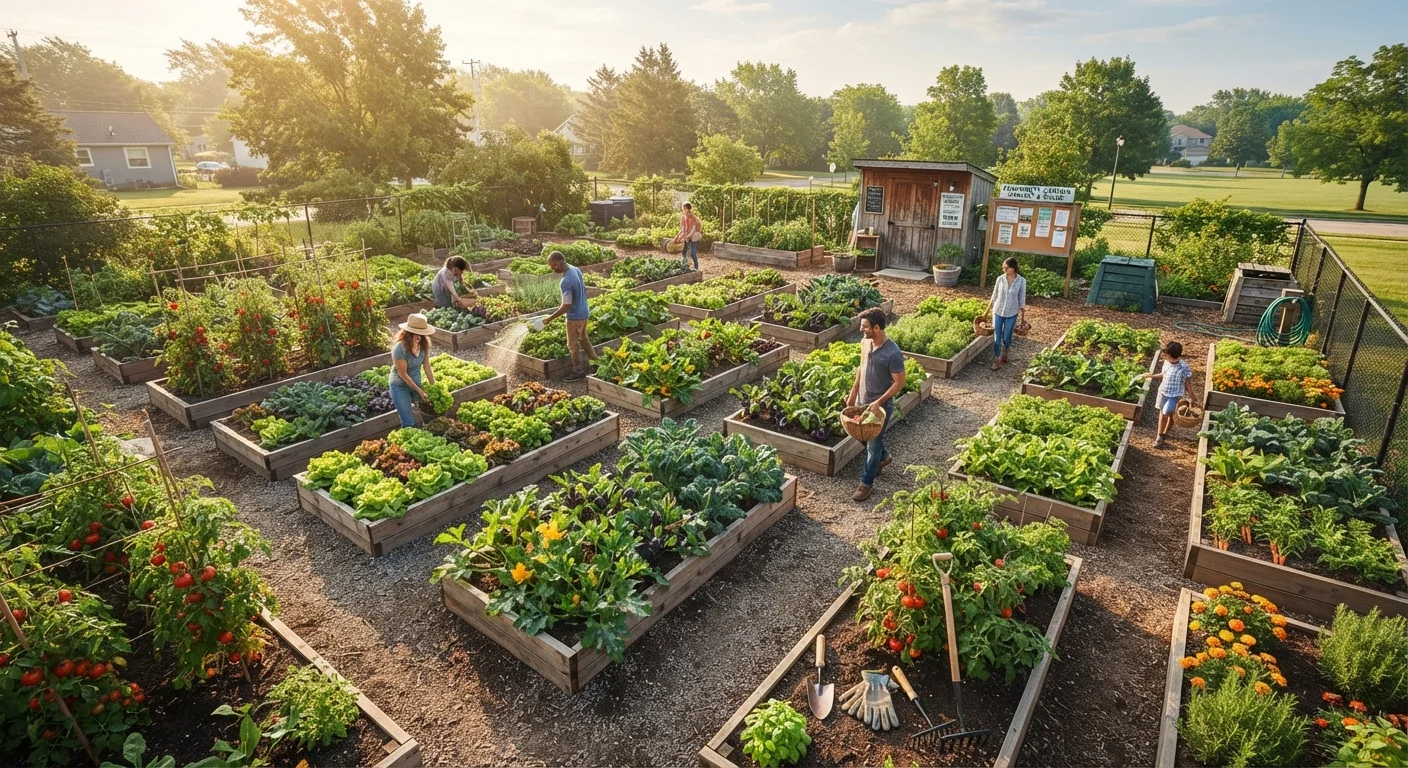
Joining a community garden involves more planning than most newcomers expect. Work through these key steps before your first season begins.
Summary
22 items · 45–90 minutes
Key takeaways
- Most community gardens have waitlists, rules, and fees — research these before committing.
- Soil quality and sun exposure at your plot directly shape what you can grow.
- Understanding your garden's bylaws prevents costly rule violations and neighbor conflicts.
- Seasonal planning before you start digging saves significant time and wasted effort.
- Connecting with fellow gardeners is one of the most underrated benefits of joining a plot.
Why Community Gardens Reward the Planners
There's something genuinely magnetic about community gardens — the shared labor, the bursts of color between fence posts, the neighbors you'd never otherwise meet. But for every enthusiastic newcomer who grabs a trowel and digs in on day one, there's a hard-won lesson waiting: community gardens run on rules, schedules, and shared expectations that can trip you up if you don't plan ahead.
This checklist is designed to walk you through everything worth sorting out before your first season begins. Whether you're brand new to growing things or simply new to shared-plot gardening, working through these items will save you headaches and set you up for a genuinely satisfying experience. If you're starting completely from scratch with gardening itself, our first-timer's walkthrough covers the foundational groundwork alongside this checklist.
Finding and Securing Your Plot
Understanding the Rules
Assessing Your Plot's Conditions
Planning What to Grow
Community and Communication
Tools and Resources Worth Having Ready
Before you put a single seed in the ground, assemble your core toolkit. Community gardens typically provide water access and sometimes communal tools, but you'll want to confirm what's shared and what's expected to be your own. Check in with your garden coordinator early — they're often the best source for what's actually needed versus what's nice to have.
Soil test kit or extension service test
Reveals pH, nutrient levels, and potential contamination so you can amend soil before planting.
Hand trowel and transplanting spade
Essential for digging planting holes, moving seedlings, and general plot work.
Garden gloves
Protects hands during soil prep, weeding, and handling transplants.
Measuring tape or garden twine
Helps you map your plot accurately and maintain proper plant spacing.
Watering can or hose attachment
Provides controlled watering, especially important when seedlings are getting established.
Notebook or garden planning app
Tracks planting dates, observations, and yield notes so you can improve each season.
Compost or organic amendments
Improves soil structure and fertility in plots that need building up before planting.
Once your tools are sorted, think about your planting strategy. One of the first decisions new plot holders face is whether to start from seed or buy established seedlings — a choice that affects both your timeline and your budget. Our seeds vs. seedlings guide helps you weigh that decision clearly.
Before the Shovel Goes In: Practical Context
Community garden culture varies enormously from one site to the next. Some gardens operate like tight-knit collectives with shared harvesting days; others are more independent, with each plot-holder doing their own thing. Understanding which environment you're joining shapes everything from how much time you'll commit to whether you'll need to coordinate your planting with neighbors growing adjacent crops.
Watch Out for Soil Contamination
Older urban community gardens — particularly those on land with industrial or commercial history — can carry elevated levels of heavy metals like lead in the soil. Always ask garden management about the site's land history and request any available soil testing records. If contamination is a concern, raised beds with imported clean soil offer a practical workaround. When in doubt, test before you plant edible crops.
Pay particular attention to your plot's sun and soil conditions before deciding what to grow. Many newcomers arrive with an ambitious wishlist only to discover their plot gets afternoon shade or has compacted clay soil. A soil test — often available through your county cooperative extension office at little or no cost — can reveal nutrient gaps before they become plant problems. For more on evaluating your growing space, see our bed preparation checklist and our comparison of raised beds versus in-ground planting.
Finally, think seasonally from the start. Knowing when to start seeds indoors, when your last frost date is, and when to expect harvest windows will shape your entire plan. Our seasonal gardening calendar is worth bookmarking as a companion reference throughout your first year. And if you want to close the sustainability loop on your plot, composting at home is a natural next step — many community gardens have shared compost systems, or you can start your own.
All published content on this website is for informational and educational purposes only and should not be taken as professional advice. We recommend that readers seek expert opinion before making any decisions. The website is not responsible for any actions taken based on the information provided on this website. We are not liable for any inaccuracies, modifications, or omissions in information. Moreover, external links or third-party content are provided for convenience; we are not liable for their correctness. Users are advised to verify every piece of information before they use it for any purpose.