
Streaming Service Tiers Explained: Ad-Supported, Standard, and Premium Plans

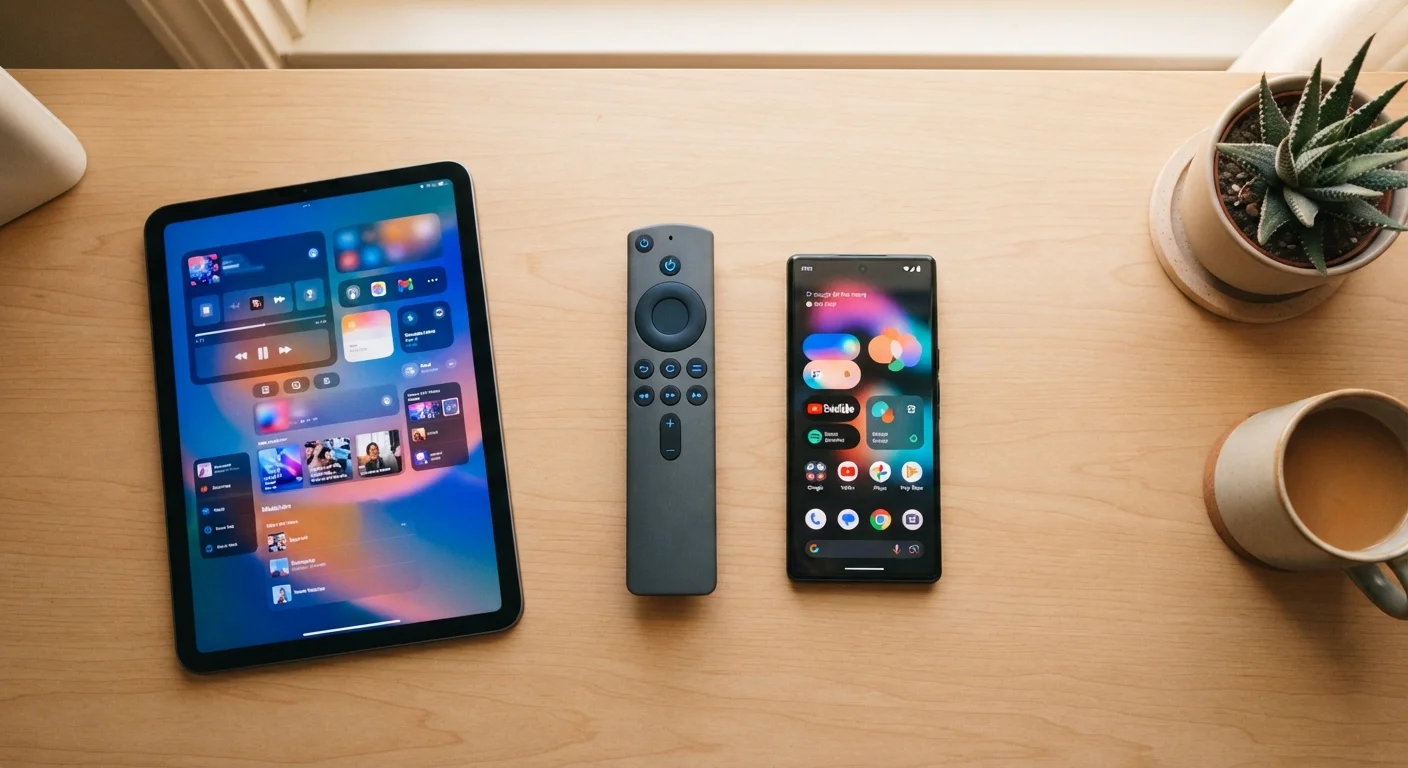
Most streaming platforms now offer multiple pricing tiers. This guide breaks down what each level includes, what's compromised, and how to weigh the trade-offs.
Why Streaming Tiers Exist in the First Place
A few years ago, most streaming platforms kept it simple: one price, one plan, full access. That model has largely given way to a tiered structure that mirrors what cable packages did for decades — offer entry points at different price levels while reserving certain features for higher-paying subscribers.
The shift is partly economic. Subscriber growth has plateaued for many platforms, and advertising-based revenue has become an attractive second stream. It's also partly competitive: lower-priced entry points let services recruit subscribers who would otherwise skip entirely. The result is that nearly every major platform now operates at least two tiers, and many run three or more.
Understanding what separates those tiers — not just in price but in actual viewing experience — helps you make a genuinely informed call. See our guide to the real costs of streaming for a full picture of what a subscription fee actually covers.
Ad-supported tier
A lower-priced subscription plan that includes periodic advertisements during playback. These tiers typically also restrict certain features like downloads or 4K video.
Simultaneous streams
The number of devices that can actively play content on the same account at the same time. Higher-tier plans generally allow more concurrent streams.
4K Ultra HD
A video resolution standard (approximately 3840 × 2160 pixels) that offers significantly more detail than standard HD. Accessing it requires a compatible TV, device, and sufficient internet speed.
Ad load
The total amount of advertising time inserted per hour of content on an ad-supported plan. Ad load varies by platform and is measured in minutes per viewing hour.
Offline downloads
A feature that lets subscribers save content to a device for playback without an active internet connection. Availability and the number of downloadable titles vary by plan tier.
Dolby Atmos
An immersive audio format that adds height and spatial dimension to sound, creating a more three-dimensional listening experience. It requires compatible audio hardware to deliver its full effect.
Ad-Supported Tiers: What You're Actually Trading
Ad-supported plans (sometimes labeled "with ads," "basic," or "free") have become the fastest-growing tier category across the industry. The core promise: a meaningfully lower monthly price in exchange for periodic commercial breaks.
What varies significantly between platforms is how much advertising you see, when it appears, and whether you can skip it. Ad loads on streaming services typically range from four to twelve minutes per hour of content, though specific policies differ by platform and can change over time. Ads may appear before episodes begin, mid-episode, or both.
Beyond the ads themselves, these tiers often carry other restrictions worth knowing:
- Simultaneous streams: Many ad-supported plans limit you to one or two streams at once, making household sharing more complicated.
- Download access: Offline downloads are frequently unavailable or restricted to a smaller content library on ad tiers.
- Video quality: Some platforms cap resolution at 1080p HD — or lower — on entry-level plans, reserving 4K for higher tiers. Our plain-language guide to streaming quality explains what those differences actually look like on screen.
- Content gaps: A small number of titles — often newer or licensed content — may be unavailable on ad-supported plans entirely.
For light or occasional viewers, the ad-supported tier can deliver genuine value. For anyone who watches daily or values uninterrupted flow, the interruptions add up fast.
Standard Tiers: The Middle Ground
Standard plans — the mid-tier — are typically what platforms treat as the default subscriber experience. They eliminate ads, restore full content libraries, and allow downloads on supported devices. This is where most of the subscriber base lands, and for good reason: it's a clean, functional experience without the premium price tag.
That said, "standard" isn't universal. Across platforms, it commonly means:
- Ad-free viewing of the full on-demand library
- HD or Full HD video quality (1080p)
- Two simultaneous streams
- Limited downloads (often up to a set number of titles per device)
What standard tiers typically do not include: 4K Ultra HD, Dolby Atmos or Dolby Vision, and in some cases access to live features. If those matter to you, the standard plan may feel like a ceiling rather than a sweet spot. It's also worth checking the simultaneous stream count carefully — two screens can feel tight in a multi-person household. Our article on password sharing enforcement covers how platforms are handling account access rules, which affects how useful those stream limits really are.
Premium Tiers: What You Gain — and Pay For
Premium plans are designed for viewers who want the full experience: highest available video and audio quality, maximum simultaneous streams, and sometimes exclusive early access or expanded library features.
The concrete differentiators at the premium tier often include:
- 4K Ultra HD and HDR: Where content is available in 4K, premium plans are usually the only way to access it.
- Spatial and lossless audio: Dolby Atmos and similar formats are typically gated here.
- Higher stream counts: Premium tiers commonly allow four or more simultaneous streams — meaningful for larger households.
- More download slots: Expanded offline libraries for mobile or travel viewing.
- Additional profiles: Some platforms include more profile slots at the premium level.
The honest question is whether those upgrades match your actual setup. 4K content requires a 4K-capable display, a compatible device, and sufficient internet bandwidth — typically 25 Mbps or more for stable 4K streaming. Paying for premium on a 1080p TV or a congested home network delivers little visible return. If you're weighing whether the upgrade genuinely makes sense for your situation, the framework in free vs. paid app tiers applies directly to this decision.
Managing multiple subscriptions across tiers is its own challenge. Our guide to building a sustainable streaming stack offers a practical framework for deciding which services deserve which tier of your budget.
All published content on this website is for informational and educational purposes only and should not be taken as professional advice. We recommend that readers seek expert opinion before making any decisions. The website is not responsible for any actions taken based on the information provided on this website. We are not liable for any inaccuracies, modifications, or omissions in information. Moreover, external links or third-party content are provided for convenience; we are not liable for their correctness. Users are advised to verify every piece of information before they use it for any purpose.