
Garden Myths That Keep New Growers Stuck

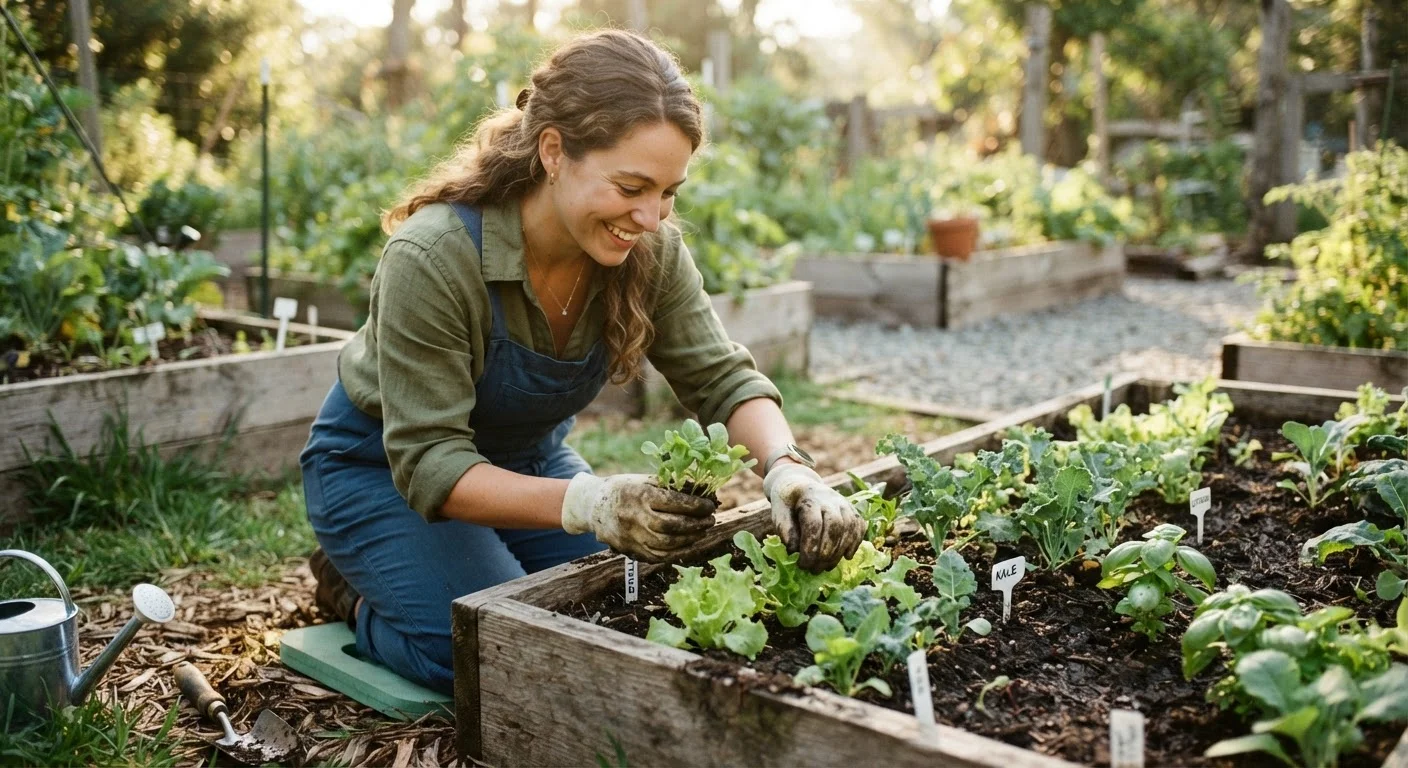
From 'more water is always better' to 'gravel improves drainage' — separating garden folklore from what the evidence actually supports.
Key takeaways
- Overwatering is among the most common causes of plant death in home gardens.
- Adding gravel to the bottom of containers actually worsens drainage due to a perched water table effect.
- Healthy soil is a living ecosystem — sterilizing it removes the beneficial organisms plants depend on.
- Most fertilizers do not substitute for good soil structure; more is rarely better.
- Plants native to your region often outperform exotic varieties without extra care.
Why Garden Folklore Persists
Gardening advice is passed down the way family recipes are — through generations, across back fences, and with a confidence that isn't always backed by evidence. Some of it is genuinely useful. Much of it, however, is rooted in intuition that made partial sense once but has since been contradicted by horticultural research and soil science.
The consequences of following bad gardening advice are rarely catastrophic — but they are consistently frustrating. New growers who lose seedlings, see yellowing leaves, or produce a limp harvest often blame themselves when the real culprit is a myth they inherited. This article addresses the most persistent ones, explains what's actually happening in the soil and the plant, and points you toward approaches that hold up. If you're just getting started, our practical first-timer's walkthrough covers the fundamentals from the ground up.
Common Garden Myths — Corrected
The following myth-and-fact pairs cover the beliefs that trip up new growers most consistently. Each one is grounded in an understandable instinct, which is part of why they spread so effectively.
Myth
If a plant looks stressed, the answer is more water. Wilting almost always means the soil is too dry.
Fact
Wilting is just as often a symptom of overwatering as of drought. Roots sitting in waterlogged soil cannot absorb oxygen, causing the same wilted appearance as drought stress.
Plant roots need both water and air. When soil stays saturated for extended periods, oxygen is displaced, roots begin to decay, and the plant can no longer move water upward efficiently — even though the soil is wet. This is why a wilting plant in moist soil should not automatically receive more water. Before watering, push a finger two inches into the soil: if it feels damp at that depth, wait. Overwatering is consistently cited by extension horticulturists as one of the leading causes of preventable plant death in home gardens.
Myth
Placing a layer of gravel at the bottom of a pot or raised bed improves drainage and keeps roots from sitting in water.
Fact
Gravel at the base of a container creates what soil scientists call a 'perched water table,' which actually causes water to pool in the soil layer above — worsening the very problem it's meant to solve.
Water moves downward through soil by capillary action, and it resists crossing the boundary between fine-textured soil and coarse gravel until the soil above is fully saturated. The result is a zone of standing water directly above the gravel layer — precisely where roots sit. Research published through university extension programs has consistently shown that filling containers entirely with a uniform, well-structured growing medium (and ensuring the drainage hole is unobstructed) outperforms any layered approach. This applies equally to containers and raised beds. For a deeper comparison of growing setups, see our guide on raised beds vs. in-ground planting.
Myth
Garden soil is just dirt — you can sterilize or 'start fresh' with bagged topsoil and get better results than working with what you have.
Fact
Healthy garden soil is a living system containing billions of bacteria, fungi, and invertebrates per teaspoon. Sterilizing or replacing it wholesale destroys the microbial networks that make nutrients available to plants.
The relationship between plant roots and soil microbes — particularly mycorrhizal fungi, which extend a plant's effective root zone — is essential to how plants access water and nutrients. Bagged topsoil products vary enormously in quality and are rarely equivalent to biologically active in-ground soil. Building soil health through compost, organic matter, and minimal disturbance is more effective long-term than replacement. Rototilling heavily also disrupts fungal networks and is now generally discouraged by soil ecologists except when initially breaking new ground.
Myth
Adding extra fertilizer gives plants a boost and helps struggling plants recover faster.
Fact
Excess fertilizer — particularly nitrogen — can burn roots, disrupt soil biology, and cause lush leafy growth at the expense of flowers and fruit. More is not better.
Fertilizer provides concentrated mineral salts. When applied beyond what the soil can buffer and what plant roots can take up, those salts draw water out of root cells through osmosis — a phenomenon called fertilizer burn. Struggling plants are especially vulnerable because their root systems are already compromised. The correct response to a struggling plant is diagnosis (light? water? soil compaction? pests?) before adding any amendment. Follow label rates precisely, and prefer slow-release or organic sources that reduce the risk of concentration spikes.
Myth
Native plants and 'wild' species are weedy and inferior to cultivated garden varieties. Exotic plants from nurseries perform better.
Fact
Plants native to a region are adapted to local soils, rainfall patterns, and seasonal temperatures. They typically require less supplemental watering, fewer soil amendments, and less intervention than non-native varieties once established.
This myth has significant practical consequences: gardeners who dismiss natives often invest heavily in maintaining plants poorly suited to their conditions. Native plants also support local pollinators and beneficial insects in ways that many imported ornamentals do not. 'Native' does not mean unrefined — there is a wide range of cultivated native varieties available through specialty nurseries that offer both regional resilience and visual appeal. Choosing plants matched to your hardiness zone, soil type, and sun exposure is one of the highest-leverage decisions a new gardener can make.
Understanding your soil is central to correcting several of these myths. Our guide to what garden soil is actually made of explains the components, layers, and living organisms that make the difference between thriving plants and struggling ones.
What to Do Instead: Practical Resets
Correcting a myth is only useful if it leads somewhere actionable. Here are the evidence-grounded habits that replace the folklore above:
- Water deeply and infrequently. Rather than a daily splash, water thoroughly so moisture reaches several inches into the soil, then let the top inch or two dry before watering again. Our article on watering practices that actually help plants thrive goes into the principles behind timing and technique.
- Test before you amend. An inexpensive soil test from a garden center or your county cooperative extension office tells you exactly what your soil lacks. Adding amendments without testing is guesswork that often makes things worse.
- Skip the gravel layer. Whether you're planting in a container or a raised bed, fill the entire volume with an appropriate growing medium. For containers specifically, container gardening fundamentals covers soil mixes and drainage setups that actually work.
- Feed the soil, not just the plant. Compost, aged organic matter, and mulch build the biological activity that makes nutrients available over time. Chemical fertilizers have a role, but they don't rebuild soil structure.
- Match plants to your conditions. A drought-tolerant native will outperform a high-maintenance exotic in most home gardens. Start with what suits your climate, light, and soil type — then expand from there.
If wilting or other distress signs appear despite doing things right, understanding why plants wilt even after watering helps you read what your garden is actually telling you. And for a broader look at how myths derail home projects beyond the garden, see our piece on home improvement myths that cost homeowners time and money.
All published content on this website is for informational and educational purposes only and should not be taken as professional advice. We recommend that readers seek expert opinion before making any decisions. The website is not responsible for any actions taken based on the information provided on this website. We are not liable for any inaccuracies, modifications, or omissions in information. Moreover, external links or third-party content are provided for convenience; we are not liable for their correctness. Users are advised to verify every piece of information before they use it for any purpose.