
Home Improvement Myths That Cost Homeowners Time and Money

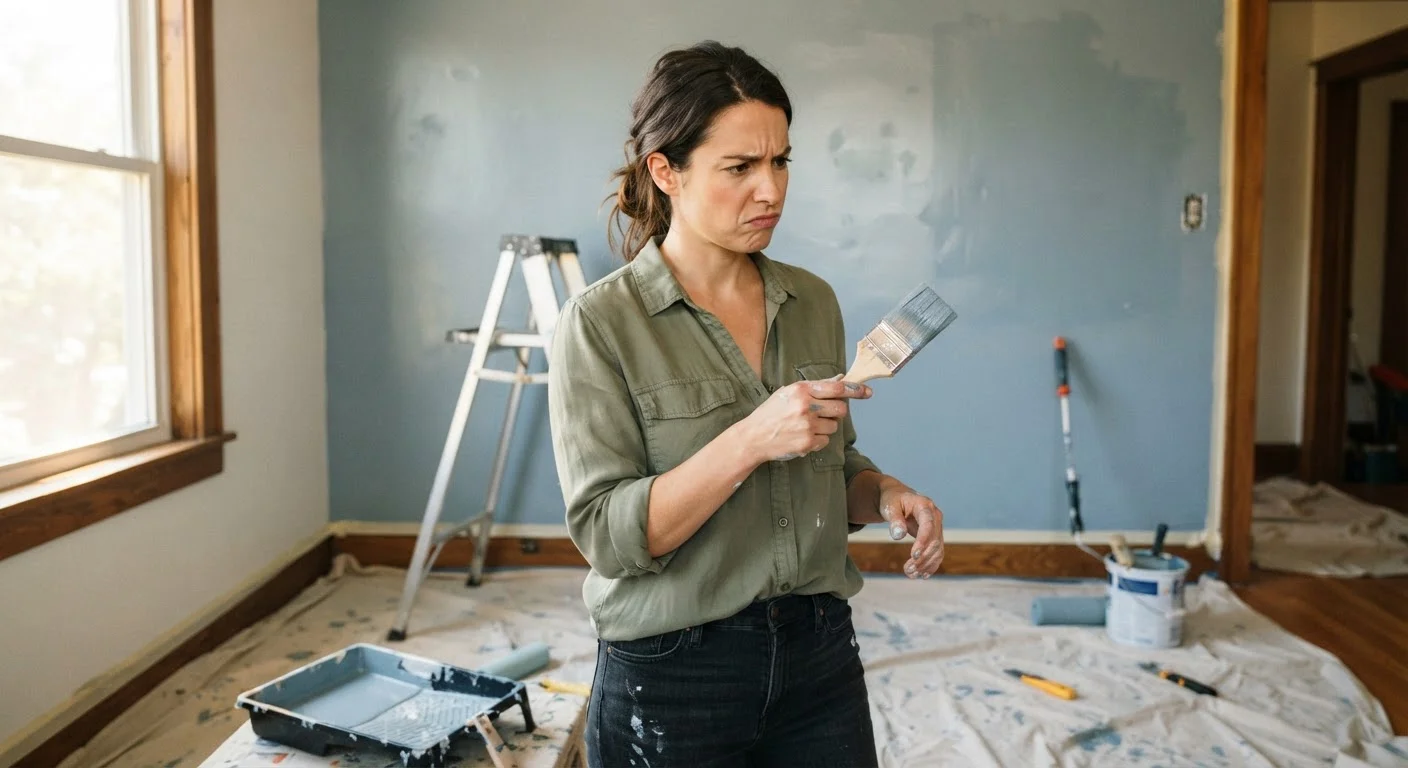
From 'bleach fixes mould' to 'painting adds value automatically' — common renovation beliefs that don't hold up under scrutiny.
Key takeaways
- Bleach kills surface mould but does not eliminate its roots or address the moisture cause.
- Fresh paint improves appearance but does not automatically increase a home's resale value.
- Skipping permits on structural or electrical work can void insurance and complicate future sales.
- DIY saves labor costs only when the skill level matches the task — mistakes often cost more to fix.
- Energy-efficient upgrades vary widely in payback period; not every upgrade suits every home.
Why Renovation Myths Are So Persistent
Home improvement advice travels fast — from neighbors, social media, and well-meaning relatives — and much of it carries the ring of authority simply because it's been repeated so often. The problem is that a lot of popular renovation wisdom is either outdated, context-dependent, or just plain wrong. Acting on bad advice doesn't just waste an afternoon; it can waste thousands of dollars, create safety hazards, or create legal complications that surface years later when you try to sell.
The myths below aren't obscure edge cases. They're the beliefs that lead homeowners to apply bleach to a mould problem, skip a permit because a job "seems small," or assume that any money spent on a home automatically comes back at resale. Understanding where these ideas break down is the first step toward making renovation decisions that actually hold up.
Myth
Bleach kills mould completely and prevents it from coming back.
Fact
Bleach removes surface staining but does not eliminate mould roots in porous materials, and regrowth is likely if moisture is left unaddressed.
Mould is not simply a stain — it's a living organism with root-like structures called hyphae that penetrate porous materials such as drywall, wood, and grout. Household bleach is an effective disinfectant on non-porous surfaces like tile or glass, but on porous substrates it largely just whitens the visible surface. The water in the bleach solution can actually contribute additional moisture, creating conditions favorable for regrowth.
The real fix requires two steps: removing or encapsulating the affected material, and identifying and correcting the moisture source — whether that's a slow plumbing leak, inadequate ventilation, or poor exterior waterproofing. See our guide to bathroom caulking for one common entry point for hidden water intrusion.
Myth
Painting your home before selling will automatically increase its value.
Fact
Fresh paint can improve marketability and first impressions, but it does not reliably add dollar-for-dollar value to a home's appraised price.
Paint is one of the most cost-effective cosmetic updates a homeowner can make — but cosmetic and financial value are different things. Appraisers assess value based on comparable sales, location, square footage, and structural condition. A freshly painted home may sell faster or attract more offers, but a professional appraiser is unlikely to assign additional value solely because the walls are newly coated.
Neutral, well-applied paint in good condition signals upkeep to buyers, which matters. But bold, personalized color choices can just as easily narrow your buyer pool. If selling is the goal, the aim should be removing distractions, not adding perceived luxury. For a realistic look at where renovation money actually goes, see the anatomy of a weekend renovation budget.
Myth
You don't need a permit for small interior renovation work.
Fact
Many interior projects — including electrical panel upgrades, load-bearing wall removal, and bathroom additions — require permits regardless of their apparent scale.
The threshold for permit requirements varies by municipality, but the rule of thumb that "small jobs don't need permits" is dangerously imprecise. Adding a new electrical circuit, moving plumbing lines, or altering any load-bearing element almost universally requires a permit and inspection — even if the finished result looks modest. Work done without required permits is considered unpermitted, and that status can surface during a home inspection, complicate a sale, and in some cases void your homeowner's insurance coverage for related claims.
Before starting any project that touches structural elements, electrical systems, plumbing, or HVAC, contact your local building and zoning office. The few days it takes to get a permit are far less costly than remediation later.
[important_callout]Myth
DIY always saves money compared to hiring a professional.
Fact
DIY saves labor costs only when the homeowner has the appropriate skill level — mistakes on complex tasks frequently cost more to correct than the original professional quote.
DIY can be genuinely economical for tasks like painting, installing shelf hardware, basic landscaping, or replacing fixtures. The math changes quickly on tasks that require precision, specialized tools, or code compliance — tile setting, drywall finishing, electrical rough-in, and plumbing are common examples where amateur errors lead to expensive remediation. DIY tile jobs frequently fail before they're even grouted, not because of cutting corners at the finish, but due to substrate and layout errors in the first hour.
A realistic self-assessment — and consulting a professional for a quote before deciding — is usually more useful than a blanket assumption that DIY is cheaper. Managing a home renovation without it taking over your life covers how to balance DIY and trade work effectively.
Myth
All energy-efficient home upgrades will pay for themselves quickly.
Fact
Payback periods for energy upgrades vary enormously based on climate, home size, existing systems, and utility rates — some upgrades take decades to break even.
Energy efficiency improvements are generally worthwhile over the long term, but the payback timeline is highly context-dependent. Adding attic insulation in a poorly insulated older home in a cold climate can indeed pay back within a few years through reduced heating bills. Installing a solar array on a home in a low-sun region with already-efficient systems might take 15–20 years or longer to recoup the investment — if ever.
Before committing to a large-scale efficiency project, request a home energy audit (available through many utility providers) to identify which improvements offer the best return for your specific home. Addressing air leaks and draft points is often the highest-value, lowest-cost starting point. Our draught-proofing guide covers where heat loss commonly hides and how to address it without major expense.
Making Smarter Renovation Decisions
The antidote to renovation mythology isn't paralysis — it's a habit of verifying before acting. A few practical principles help:
- Separate cosmetic from structural value. Cosmetic improvements make a home more pleasant to live in and easier to sell, but they rarely translate into appraised value dollar-for-dollar. Structural and mechanical improvements — a solid roof, updated electrical panel, functioning HVAC — tend to matter more to both appraisers and buyers.
- Match task complexity to skill level. Honest self-assessment before starting a project is more useful than optimism mid-project. For tasks involving seasonal maintenance, many homeowners can handle inspection and minor repairs themselves; regulated systems typically warrant professional involvement.
- Treat moisture as the priority problem. Water is the single most destructive force in a home. Leaks, condensation, and poor drainage cause rot, mould, and structural damage that compound over time. Identifying and eliminating moisture sources beats any surface treatment.
- Budget for contingency. Renovation costs consistently exceed initial estimates. A contingency of 15–20% of your project budget is a standard planning buffer, not a pessimistic one.
Getting comfortable with the real mechanics of home improvement — rather than the folklore — leaves you better equipped to protect your investment and tackle projects with genuine confidence.
All published content on this website is for informational and educational purposes only and should not be taken as professional advice. We recommend that readers seek expert opinion before making any decisions. The website is not responsible for any actions taken based on the information provided on this website. We are not liable for any inaccuracies, modifications, or omissions in information. Moreover, external links or third-party content are provided for convenience; we are not liable for their correctness. Users are advised to verify every piece of information before they use it for any purpose.