
The Anatomy of a Cancelled Show: Why Streaming Platforms Pull the Plug

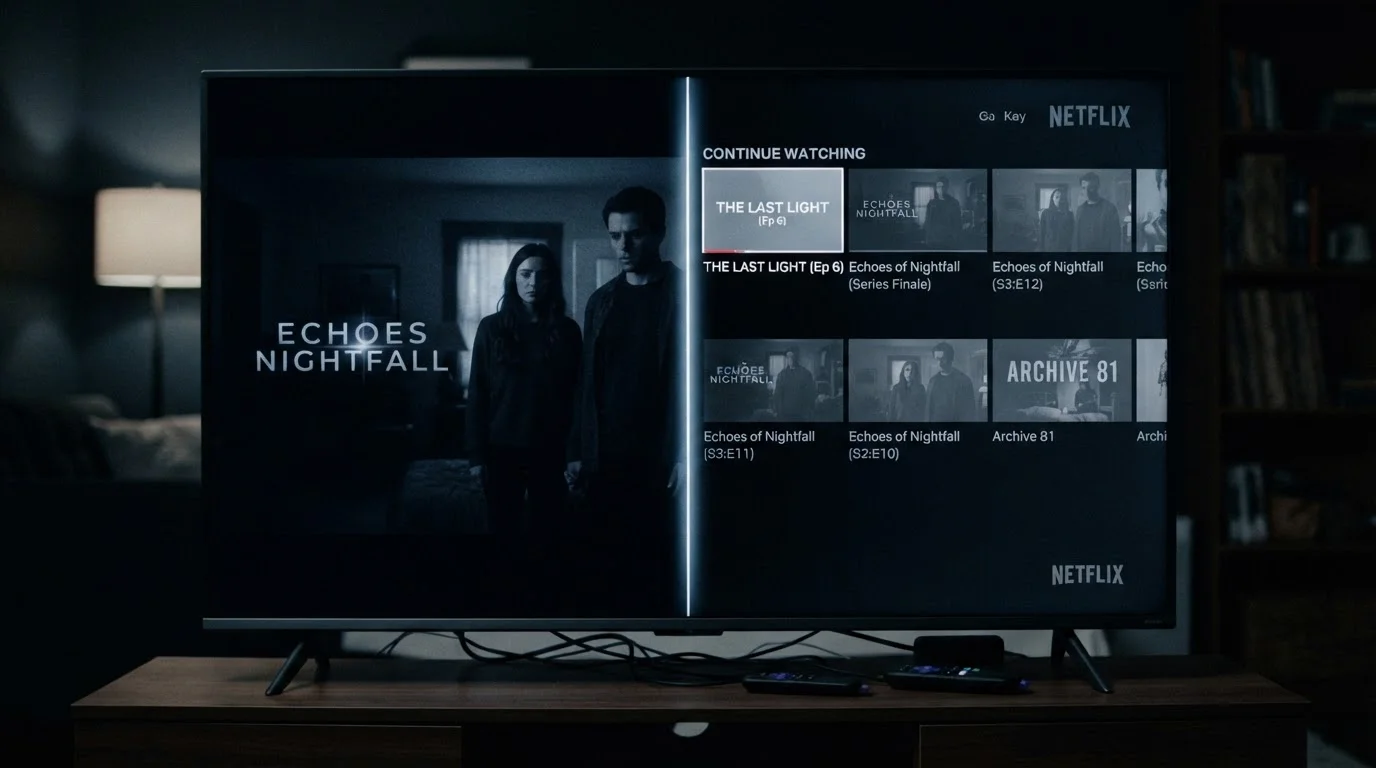
A show can be popular and still get cancelled. Learn the business logic, audience metrics, and licensing factors that lead streaming services to end series early.
Key takeaways
- Streaming cancellations are driven by cost-per-viewer math, not just audience size.
- Platforms use private engagement metrics that aren't shared publicly, leaving fans in the dark.
- A show's value to a platform can shift based on licensing deals, content strategy, or ownership changes.
- Production cost relative to subscriber impact is often the decisive factor in renewal decisions.
- Fan campaigns occasionally save cancelled shows, but they rarely change the underlying economics.
- Cancellations can also be triggered by platform mergers, rebranding, or budget restructuring.
The Real Economics Behind the Decision
When a beloved show gets cancelled, the immediate reaction is almost always the same: disbelief, followed by outrage. But the decision to pull the plug is rarely about whether people love a show. It's about whether the platform's investment in that show is returning enough measurable value.
Streaming platforms aren't television networks in the traditional sense. As explored in our breakdown of cable vs. streaming, the business models differ significantly. Streaming services derive revenue primarily from subscriptions, not advertising — which means the key question for any show is: does it attract new subscribers, retain existing ones, or both? If the answer is "neither, reliably," the show's future is in jeopardy regardless of its critical reception.
Production costs are central to this calculation. A prestige drama with a large ensemble cast, location shoots, and high visual effects demands can cost tens of millions of dollars per episode. If that show reaches a niche audience — even a passionate one — the math may simply not work. A cheaper reality series or documentary that draws comparable engagement becomes a far more attractive investment.
40%
Streaming originals cancelled after one season
Industry analyses of major streaming platforms have suggested that a substantial share of original series — roughly 40% by some estimates — do not receive a second season renewal.
28 days
Key viewership window for renewal decisions
Several major platforms have stated publicly that first-28-day viewership data is central to how they evaluate a new show's performance and renewal prospects.
3–5x
Cost difference: prestige drama vs. unscripted series
Industry reporting consistently shows prestige scripted dramas can cost three to five times more per episode than comparable unscripted or reality programming, influencing how platforms weigh renewal options.
The Metrics Platforms Actually Use
One of the most frustrating aspects of streaming cancellations is the opacity of the data behind them. Traditional broadcast TV used Nielsen ratings — a standardized, publicly trackable metric. Streaming platforms use proprietary internal data that they share only when it suits their promotional interests.
The metrics that matter most typically include: total hours viewed within a defined window (often the first 28 days of release), completion rates (what percentage of viewers finish a season), and subscriber impact — meaning whether a show demonstrably drives sign-ups or prevents cancellations. A show with high viewership hours but poor completion rates signals that many viewers started but didn't finish, which can weigh against renewal.
This data gap is part of why discovery is already a problem on streaming platforms. As we note in our piece on the streaming discovery problem, algorithms tend to surface content that already has momentum — meaning newer or more niche shows may never accumulate the viewership numbers that would justify their costs, creating a cycle that accelerates cancellation.
Licensing, Ownership, and Strategic Shifts
Not every cancellation is about viewership at all. Sometimes a show gets cut because of licensing complications, corporate restructuring, or a platform's decision to pivot its content identity.
Licensing rights are especially thorny. A platform may have acquired the rights to produce a show without fully owning the underlying intellectual property. When rights agreements expire or become too expensive to renew, the platform may cancel the show rather than renegotiate — even if it's performing adequately. In other cases, a show produced before a merger may no longer fit the combined platform's brand positioning post-merger, making it an easy budget cut.
Tax write-offs have also entered the conversation in recent years. Depending on accounting structures, some platforms have found it financially advantageous to remove a show from their service entirely — cancelling and deleting rather than cancelling and archiving. This practice, while legal, has drawn significant criticism from creators and audiences alike.
The broader competitive landscape matters too. The streaming wars have fundamentally reshaped content strategy, pushing platforms to constantly reassess which shows justify their place in a crowded, expensive library.
“The streaming model has made it easier than ever to greenlight a show and harder than ever to keep one alive. The calculus has shifted from 'does anyone watch this?' to 'does this justify its cost at scale?' — and those are very different questions.”
— A senior television industry analyst, Media industry commentator, frequently cited in entertainment trade publications
What Viewers Can Actually Do With This Information
Understanding cancellation logic doesn't make it less disappointing, but it does change how viewers can engage with shows they care about. Completing a season — not just starting it — signals genuine engagement in the metrics that matter. Watching on the platform's official app rather than through a third-party device generates cleaner data for the service. Early viewership in the launch window carries disproportionate weight, which is one reason the debate between binge and weekly release models has real implications beyond viewer preference.
Fan advocacy campaigns do occasionally shift outcomes — particularly when they attract the attention of rival platforms that see an acquisition opportunity. A cancelled show with a built-in, vocal audience is a ready-made marketing story for a competitor willing to pick it up.
What remains worth noting is that cancellation decisions are business decisions, made under conditions of incomplete information, shifting corporate priorities, and real financial pressure. The show you loved wasn't necessarily a failure. It may simply have been the wrong size, at the wrong cost, on the wrong platform — at the wrong moment. Understanding how shows get greenlit in the first place helps illuminate just how precarious a show's journey is from concept to screen — and how many factors have nothing to do with quality.
Frequently Asked Questions
All published content on this website is for informational and educational purposes only and should not be taken as professional advice. We recommend that readers seek expert opinion before making any decisions. The website is not responsible for any actions taken based on the information provided on this website. We are not liable for any inaccuracies, modifications, or omissions in information. Moreover, external links or third-party content are provided for convenience; we are not liable for their correctness. Users are advised to verify every piece of information before they use it for any purpose.