
Building a Sustainable Streaming Stack Without Overspending

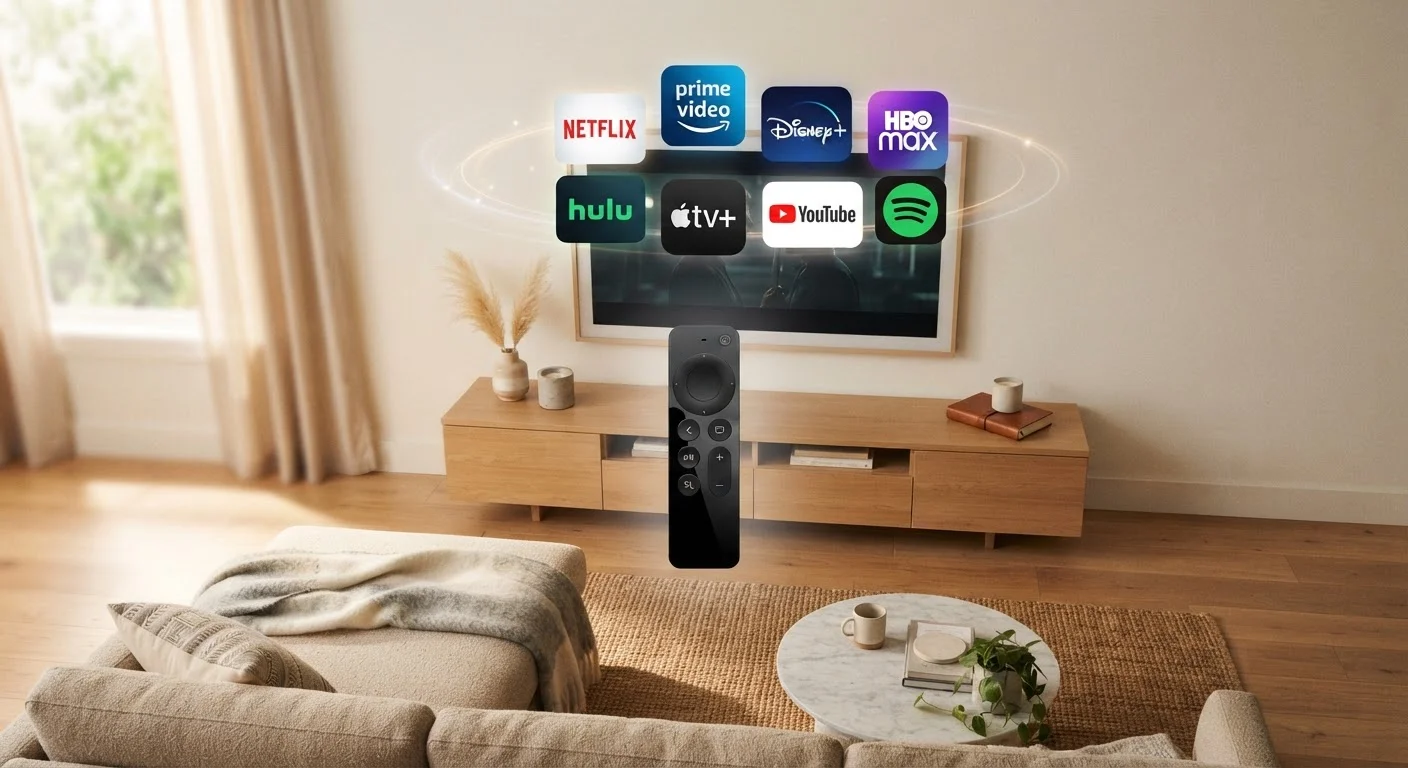
Managing multiple subscriptions can quietly drain a budget. Here's a practical framework for choosing which platforms to keep, rotate, or skip entirely.
Key takeaways
- Auditing every active subscription is the essential first step before making any cuts.
- Rotating services seasonally rather than holding all at once can significantly reduce monthly spend.
- Ad-supported tiers on major platforms offer meaningful savings without losing access to key content.
- Viewing habits — not marketing — should drive which platforms you prioritize keeping.
- A streaming budget ceiling, set in advance, makes subscription decisions easier and more consistent.
Why Your Streaming Bill Keeps Climbing
It starts innocently enough: one subscription for prestige drama, another for movies, a third because someone in your household needed it for one show. Before long, you're paying for five or six platforms and watching maybe two of them regularly. The full cost of recurring subscriptions is notoriously easy to underestimate, because individual charges feel small — until you add them up.
The streaming industry has also fragmented deliberately. Content that once lived in one place now lives exclusively on a platform built around it. That fragmentation is a feature for studios and a cost for viewers. The result is what many people describe as streaming fatigue: an exhausting abundance that somehow still leaves you unsure what to watch.
The solution isn't canceling everything — it's building a deliberate, rotating stack that reflects how you actually watch, not how you intend to watch. Here's a practical framework for doing exactly that.
What you will need
Step-by-Step: Building Your Sustainable Streaming Stack
Work through these steps in order. Each one builds on the last, and skipping ahead tends to produce decisions you'll reverse within a month.
Audit every active subscription
Pull up your bank or credit card statements and list every streaming charge from the past two months. Include annual subscriptions — divide them by 12 to get a monthly equivalent. Note the platform name, monthly cost, and the last time someone in your household actually used it. Many people discover one or two services they'd forgotten entirely.
Set a firm monthly streaming ceiling
Before evaluating which services to keep, decide how much you're willing to spend in total. A preset ceiling — say, $30 or $40 a month — gives you a constraint to optimize within, rather than making each subscription decision in isolation. Without a ceiling, each individual charge feels small enough to justify, and the total quietly expands.
Score each service on actual usage
For each service on your list, answer two questions: How many hours per week does your household use it? And is there content you genuinely look forward to watching there? Give each service a simple score: high, medium, or low value. Services that land on low value consistently — regardless of what's theoretically available on them — are candidates for cancellation or rotation.
Identify your anchor platforms
Anchor platforms are services with enough breadth and depth that you're consistently using them regardless of what's new. These are your keepers. Most households have one or two genuine anchors — be honest about which services you'd miss within a week versus which you'd forget about within a month.
Switch eligible services to lower-cost tiers
Review which of your remaining subscriptions offer ad-supported or lower-tier options. For any platform where you're not using features exclusive to the premium tier — simultaneous streams on multiple devices, downloads, 4K resolution — downgrading immediately reduces cost without changing your experience meaningfully. Make these changes before canceling anything; it's often the fastest way to close the gap to your ceiling.
Set up a rotation schedule for non-anchor services
Any platform outside your anchors should be treated as rotational. Identify what's coming to each platform over the next one to two months, subscribe when something you genuinely want to watch is available, and cancel once you've finished. Use a simple calendar reminder — set it for a day or two before renewal — to prompt a conscious keep-or-cancel decision rather than letting it auto-renew by default.
Smart Tier Choices and the Rotation Strategy
One of the most underused levers in streaming budgets is the pricing tier. Most major platforms now offer ad-supported options that cost meaningfully less than premium plans. Before dismissing them, consider how often you're actually interrupted during a typical session — for many viewers, it's a reasonable trade. Our guide to streaming service tiers breaks down exactly what each level includes and where the real compromises lie.
The rotation strategy is the other major tool. Instead of subscribing to three platforms simultaneously, maintain one or two anchors (services with enough depth that you're never truly done) and cycle a third slot every one to two months based on what's releasing. Shows that drop all at once — the binge model — are particularly well-suited to this approach. Subscribe, watch, cancel. The binge vs. weekly release debate actually has real budget implications: weekly-release shows lock you into longer subscriptions, while full-season drops let you get in and out efficiently.
If live sports or news factor into your household's viewing, factor that in carefully before rotating away from a platform that carries them. Live TV on streaming platforms has specific strengths and weaknesses worth understanding before you commit to a tier that includes it.
The One-In, One-Out Rule
Once you've reached your streaming ceiling, apply a simple discipline: adding a new platform means removing or rotating out another. This keeps your total spend stable without requiring a full re-audit every time something new launches. It also forces a genuine value comparison rather than a reflexive sign-up.
Framing your streaming choices as a budget line — the same way you'd treat any recurring household expense — connects this back to the broader principles in budgeting basics. If you're actively building toward savings goals, the saving and growing mindset applies here too: small recurring cuts compound into meaningful annual savings.
This article is for general informational and entertainment purposes. It does not constitute personalized financial advice. For guidance on your specific financial situation, consider consulting a qualified financial professional.
All published content on this website is for informational and educational purposes only and should not be taken as professional advice. We recommend that readers seek expert opinion before making any decisions. The website is not responsible for any actions taken based on the information provided on this website. We are not liable for any inaccuracies, modifications, or omissions in information. Moreover, external links or third-party content are provided for convenience; we are not liable for their correctness. Users are advised to verify every piece of information before they use it for any purpose.