
Pop Music, Politics, and Public Expectation: When Fans Demand Artists Take a Stand

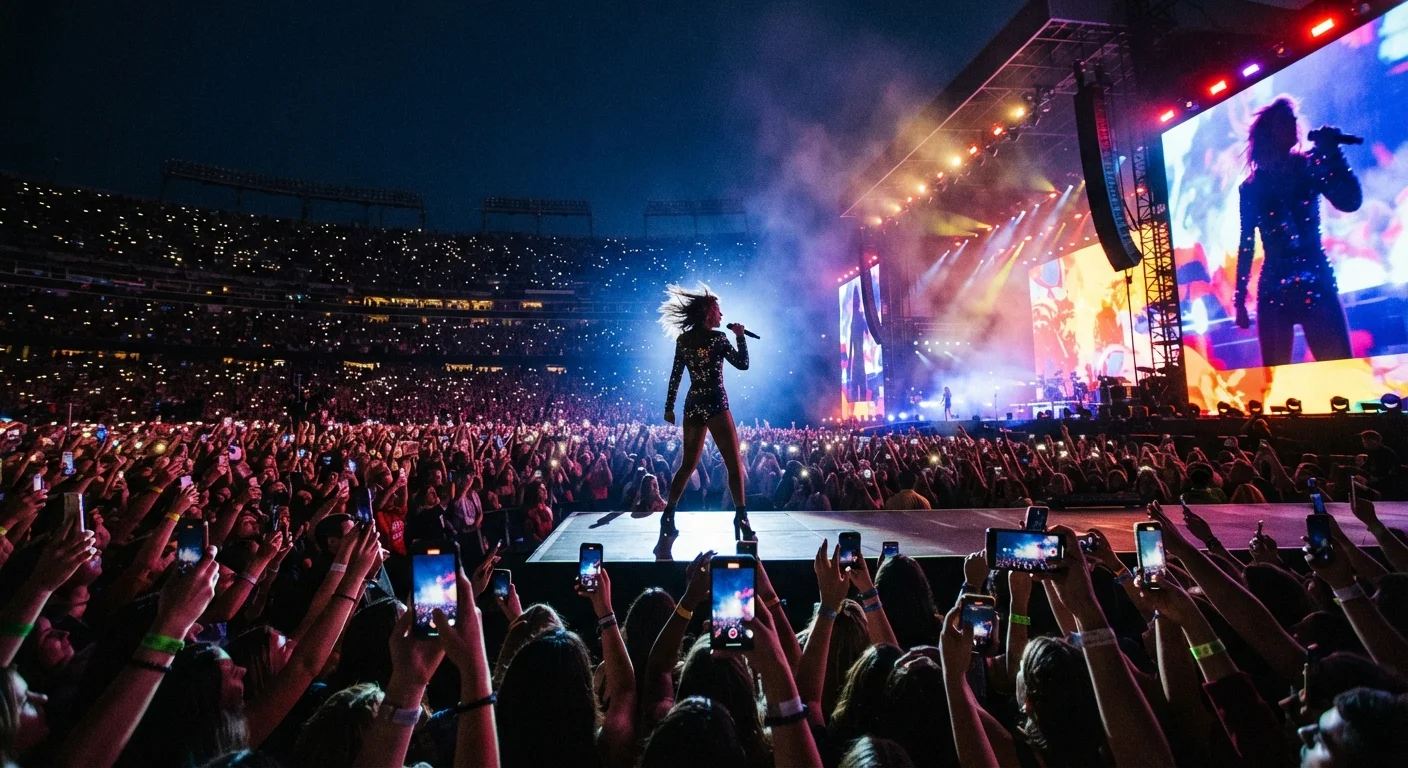
The pressure on entertainers to weigh in on social issues has grown. Here's the tension that creates for artists and audiences alike.
Our Verdict
The expectation that pop artists take political stands is neither purely helpful nor wholly harmful — it's complicated, context-dependent, and deeply human. Artists who engage thoughtfully and authentically can genuinely move the needle on civic awareness. But the demand for constant positioning flattens nuance, burdens individuals with systemic responsibilities, and can turn art into a litmus test rather than an experience. The healthiest dynamic is probably somewhere in the middle: artists who speak when they feel called to, audiences who allow room for complexity, and critics who resist treating every silence as a betrayal.
This conversation matters most to fans who want to understand why political pressure on artists is both meaningful and complicated, and to anyone who has ever felt conflicted about separating art from an artist's public persona.
Key takeaways
- Fans increasingly expect pop artists to use their platforms to address social and political issues.
- Artists who speak out can amplify important conversations but also risk alienating audiences or oversimplifying complex issues.
- Silence itself has become a political statement in the social media era.
- The pressure to take a stand is reshaping how musicians craft public personas and manage fan relationships.
- There is no universally 'right' answer — the debate reflects genuine tensions in what we want from public figures.
The New Normal: Politics at the Microphone
For much of the twentieth century, the unspoken rule for pop stars was simple: entertain, don't alienate. Artists who waded into politics — folk singers, protest musicians — occupied a separate lane from mainstream pop. That boundary has collapsed. Today, a pop artist's Instagram story can be scrutinized as closely as a press release, and staying quiet during a national flashpoint is increasingly treated as a choice, not a default.
This shift accelerated alongside social media. As parasocial bonds between fans and artists deepened, audiences began expecting a level of transparency that older generations of celebrities never faced. When fans feel like they know an artist personally, they also feel entitled to that artist's moral clarity.
What's emerged is a genuinely contested cultural space — one where pop music sits at the intersection of entertainment, identity, and civic life. Below, we break down both sides of the debate.
The Case For: Why Artist Engagement Matters
Massive reach amplifies causes and civic engagement
A single post or concert announcement from a prominent artist can reach tens of millions of followers instantly, making them uniquely positioned to drive awareness around elections, legislation, or social causes.
Authentic political identity enriches artistry
Many of the most culturally significant albums and performances in pop history are inseparable from the political moments that shaped them — silencing that dimension can strip art of its resonance.
Normalizes civic participation among younger fans
When artists model engagement with elections and public issues, research from civic organizations suggests it correlates with increased political participation among younger demographics who follow them.
Creates community around shared values
Political alignment between artist and fan can deepen the sense of belonging that pop fandom already fosters, turning concerts and fan spaces into communities organized around more than just music.
Holds power accountable from a cultural platform
Artists with large audiences can name injustices or pressure institutions in ways that gain mainstream attention when traditional advocacy may struggle to break through.
Advocates for artist political engagement often point to reach: a single post from a globally followed musician can expose millions of people to a cause, candidate, or conversation they might otherwise scroll past. Voter registration drives tied to major tours have demonstrably moved the needle on youth turnout in past election cycles, according to analyses by civic engagement organizations. That kind of cultural reach is genuinely rare and genuinely powerful.
There's also the question of authenticity. Pop music has always been about identity — who you are, what you believe, who you love. Asking artists to quarantine their values from their art can feel like asking them to be less than whole. Some of the most enduring albums in American pop history are inseparable from the social climates that produced them. Sanitizing that relationship can hollow out the art itself.
The Case Against: The Real Costs of Speaking Out
Risks reducing complex issues to slogans
Pop stars are not policy experts, and nuanced political debates — on immigration, foreign policy, healthcare — rarely translate well into social media posts, risking harmful oversimplification.
Exposes artists to disproportionate professional backlash
Taking a public political position can cost an artist fans, sponsorships, and radio play, creating real career consequences for what amounts to exercising free speech.
Transforms art into a political litmus test
When audiences evaluate music primarily through an artist's political statements, the work itself can become secondary — reducing songs to signals rather than experiences.
Silence is weaponized against artists unfairly
The expectation that every artist comment on every major issue creates an exhausting, impossible standard — one that often penalizes thoughtfulness or simple unfamiliarity with an issue.
Can substitute for, rather than support, real organizing
Highly visible moments of celebrity solidarity can create a false sense of progress, potentially dispersing energy that might otherwise flow toward sustained political organizing or policy work.
Deepens the parasocial demand on performers
Expecting artists to be political spokespeople compounds already intense public scrutiny, placing mental health and personal wellbeing under additional strain.
The counterargument isn't about keeping art 'pure' — it's about acknowledging what political pressure actually costs artists and audiences alike. When fans demand that musicians perform ideological loyalty, art gets reduced to a signal. A new song becomes secondary to whether the artist posted the right thing during the right news cycle.
There's also a real risk of oversimplification. Pop stars aren't policy experts, and complex geopolitical or legislative issues don't compress well into a caption. Mistaking a viral moment of artist solidarity for meaningful social movement is an easy error — and one that can actually drain energy from sustained organizing.
Finally, the backlash asymmetry is real. Artists who weigh in on contested political topics rarely win universal praise; they typically shed some fans while consolidating others. That math may work out fine, but it's worth acknowledging that the pressure to speak out carries genuine professional and personal risk.
Silence as Statement: The Impossible Middle Ground
One of the stranger developments in this debate is that neutrality has effectively ceased to exist. When a major political event occurs and a high-profile artist says nothing, fans read the silence — and they don't always read it charitably. This puts musicians in a genuinely difficult position: speak and risk backlash, or stay quiet and invite a different kind of scrutiny.
The 'Staying in Your Lane' Debate
Critics of artist political engagement often invoke the idea that entertainers should 'stick to music' — but this framing has its own complications. Artists have historically been among the first to name social realities that institutions ignored. Whether that tradition obligates today's pop stars to speak, or simply gives them the option, is genuinely contested. The 'lane' itself has always been wider than critics suggest.
This dynamic has reshaped how artists approach album cycles, tour announcements, and even song releases. The timing of a lighthearted pop single during a moment of collective grief or outrage can itself become a story — regardless of whether the artist intended any commentary at all.
The evolution of fan culture has a lot to do with this. As covered in our look at how audience devotion has transformed since the Beatlemania era, the relationship between artist and fan has shifted from admiration at a distance to something more intimate, reciprocal, and demanding. That intimacy is beautiful in some ways — and exhausting in others.
What This Means for the Broader Cultural Conversation
The pressure on pop artists to take political stands is a mirror of larger tensions in American public life. We want authenticity, but we also want agreement. We celebrate artists who speak truth to power — right up until they say something we disagree with. Award show moments, viral interviews, and offhand social media posts now regularly become flashpoints in ways that would have been unthinkable a generation ago. The transformation of award shows into cultural flashpoints is one visible marker of just how charged entertainment spaces have become.
None of this is going away. If anything, the expectations will deepen as the line between public persona and private person continues to blur. The more useful question isn't whether artists should speak out — it's how we as audiences can hold space for complexity, distinguish between meaningful engagement and performance, and resist flattening the humans behind the music into symbols of our own political expectations.
50%+
Young voters influenced by celebrity endorsements
Multiple surveys conducted around recent US election cycles have found that a significant share of voters under 35 report that celebrity endorsements at least somewhat influenced their awareness of candidates or ballot issues.
2x
Fan engagement spike after artists post politically
Social media analytics studies have observed that political posts from high-profile entertainers typically generate significantly higher engagement — likes, shares, and comments — than standard promotional content.
67%
Americans who say celebrities should stay out of politics
A Pew Research Center survey found a majority of US adults believe celebrities should not use their platforms to express political opinions, reflecting genuine public ambivalence about artist engagement.
All published content on this website is for informational and educational purposes only and should not be taken as professional advice. We recommend that readers seek expert opinion before making any decisions. The website is not responsible for any actions taken based on the information provided on this website. We are not liable for any inaccuracies, modifications, or omissions in information. Moreover, external links or third-party content are provided for convenience; we are not liable for their correctness. Users are advised to verify every piece of information before they use it for any purpose.