
What Your Mechanic Actually Looks at During a Routine Service

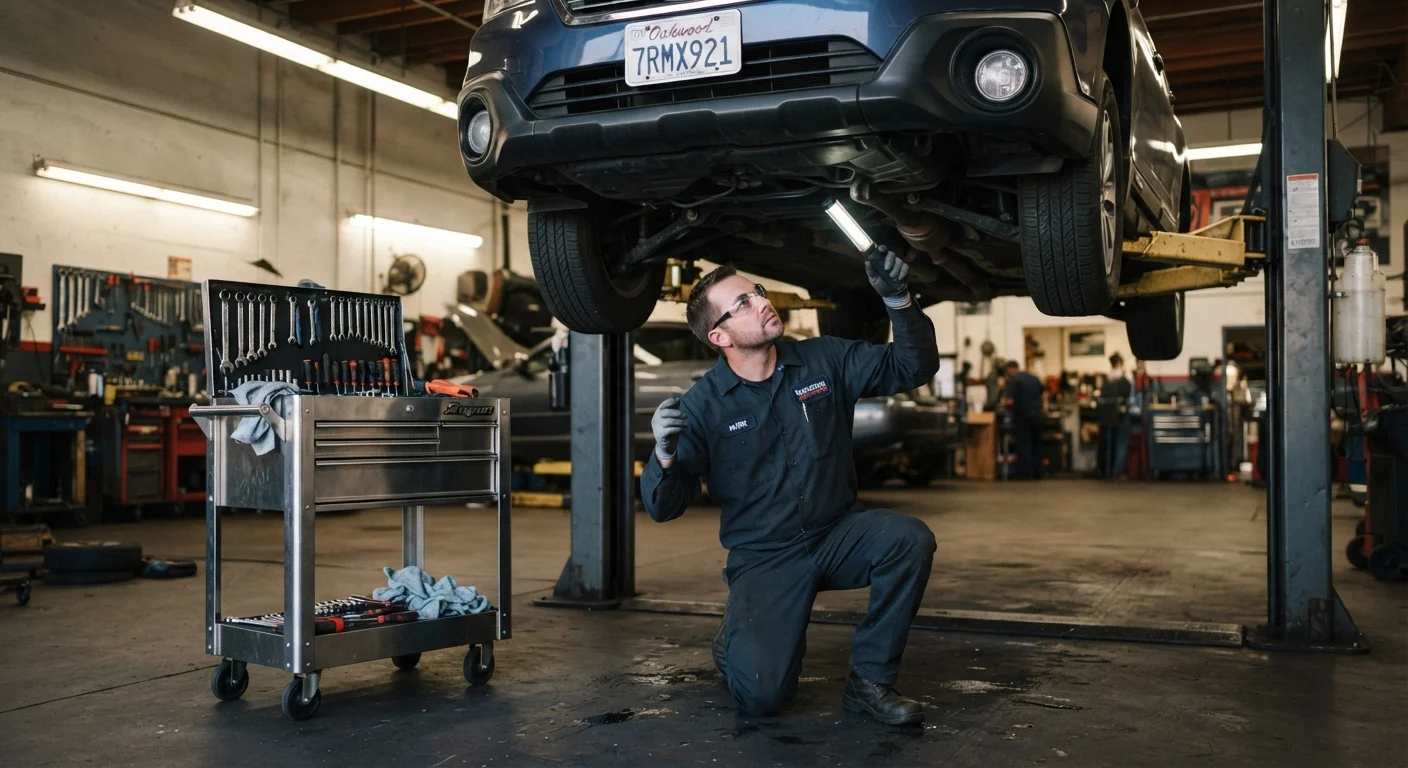
A transparent look at what a standard vehicle service involves, so you know what to expect and what questions to ask.
Key takeaways
- A routine service covers far more than just an oil change — it's a multi-point safety inspection.
- Mechanics check fluids, filters, brakes, tires, belts, lights, and battery condition during a standard visit.
- Understanding the checklist helps you ask informed questions and avoid unnecessary upsells.
- Your owner's manual defines the correct service schedule and fluid specifications for your specific vehicle.
- Keeping a complete service record supports better maintenance decisions and preserves vehicle value.
More Than Just an Oil Change
When most drivers hear "routine service," they picture an oil change and maybe a tire rotation. The reality is considerably more thorough. A properly conducted service visit involves a systematic review of your vehicle's most critical systems — and understanding that checklist is one of the most practical things you can do as a car owner.
This article walks through exactly what a mechanic examines during a standard service, why each item matters, and what you should ask when the job is done. For a broader picture of vehicle upkeep, see our complete owner's maintenance overview.
~40%
Of vehicle breakdowns linked to lack of maintenance
Industry estimates from automotive associations consistently attribute a large share of roadside breakdowns to deferred or skipped routine maintenance.
5,000–10,000 mi
Typical oil change interval range
Modern synthetic oils and engine designs have extended intervals significantly; always defer to the manufacturer's specification in your owner's manual rather than the old 3,000-mile rule of thumb.
2/32"
Minimum legal tire tread depth in most US states
Safety organizations generally recommend replacing tires at 4/32" for improved wet-weather braking performance — twice the legal minimum.
Fluids: The First Line of Inspection
Fluids are checked at virtually every service visit because they degrade over time and directly affect performance and safety. Here's what a mechanic typically assesses:
- Engine oil: Checked for level, color, and viscosity. Dark, gritty oil signals it's past due. The old oil is drained and replaced with fresh oil meeting the manufacturer's specification.
- Coolant (antifreeze): Inspected for level and condition. Depleted or contaminated coolant can lead to overheating.
- Brake fluid: Absorbs moisture over time, which lowers its boiling point and reduces braking performance. Typically replaced every two years or per manufacturer guidance.
- Power steering fluid and transmission fluid: Checked for level and signs of contamination. Automatic transmission fluid is especially important to maintain at the right level and condition.
- Windshield washer fluid: A simple top-up, but often overlooked by drivers until visibility becomes an issue.
Your owner's manual specifies the correct fluid grades for each system. Understanding your owner's manual can save you from using the wrong products — a surprisingly common and costly mistake.
Filters, Belts, and Wear Components
Beyond fluids, mechanics check several components that wear gradually and can fail without obvious warning signs:
- Oil filter: Replaced with every oil change to prevent contaminants from circulating through the engine.
- Air filter: A clogged air filter reduces engine efficiency and fuel economy. Typically inspected at every service and replaced when visibly dirty or per the manufacturer's schedule.
- Cabin air filter: Keeps dust, pollen, and pollutants out of the passenger compartment. Often forgotten, but easy to replace.
- Serpentine belt: Drives the alternator, power steering pump, and air conditioning compressor. Mechanics look for cracks, fraying, or glazing.
- Spark plugs (major service): Worn plugs cause misfires, rough idling, and reduced fuel efficiency. Replacement intervals range from 30,000 to over 100,000 miles depending on plug type and vehicle.
These wear items follow the same logic: catching them early is cheaper than dealing with a failure on the road.
Brakes, Tires, and Safety Systems
Safety-critical components get close attention during any competent service visit.
Brakes
The mechanic measures brake pad thickness (measured in millimeters) and inspects rotors for wear, scoring, or warping. Calipers and brake lines are also checked for leaks or corrosion. For a detailed breakdown of what normal brake wear looks like and when to be concerned, see our guide on brake system basics.
Tires
Tread depth is measured — legally, tires must have at least 2/32" of tread remaining in most states, though 4/32" is considered a safer threshold. Inflation is checked and adjusted, and tires are inspected for uneven wear patterns that may indicate alignment or suspension issues. A tire rotation may be included or recommended.
Lights and Battery
All exterior lights are tested — headlights, brake lights, turn signals, and reverse lights. Battery voltage and cold cranking amps (CCAs) are measured to estimate remaining life. A failing battery often gives no warning before it leaves you stranded.
Ask for the Multi-Point Inspection Sheet
Most shops complete a written multi-point inspection during a service visit, but not all hand it to the customer automatically. Request a copy before you pay — it documents what was checked, what was completed, and what was flagged. This sheet is valuable for your own records and helps you make sense of future recommendations.
What to Ask When the Job Is Done
A trustworthy shop will hand you a written report detailing everything inspected, what was completed, and any items flagged for future attention. If that doesn't happen automatically, ask for it.
Questions worth asking before you leave:
- What was replaced today, and what were the old components' condition?
- Were any issues flagged that I should monitor or address at the next visit?
- Are there any items approaching the end of their service life?
- What is the recommended interval until my next service?
Cross-referencing the mechanic's recommendations against your owner's manual is smart practice. Tracking what was done and when is equally important — our article on keeping a full service history explains why that paper trail is worth more than most drivers realize.
For a seasonal view of when to prioritize specific checks, the seasonal car maintenance calendar is a useful companion reference.
Frequently Asked Questions
All published content on this website is for informational and educational purposes only and should not be taken as professional advice. We recommend that readers seek expert opinion before making any decisions. The website is not responsible for any actions taken based on the information provided on this website. We are not liable for any inaccuracies, modifications, or omissions in information. Moreover, external links or third-party content are provided for convenience; we are not liable for their correctness. Users are advised to verify every piece of information before they use it for any purpose.