
Car Maintenance From the Ground Up: A Complete Owner's Overview

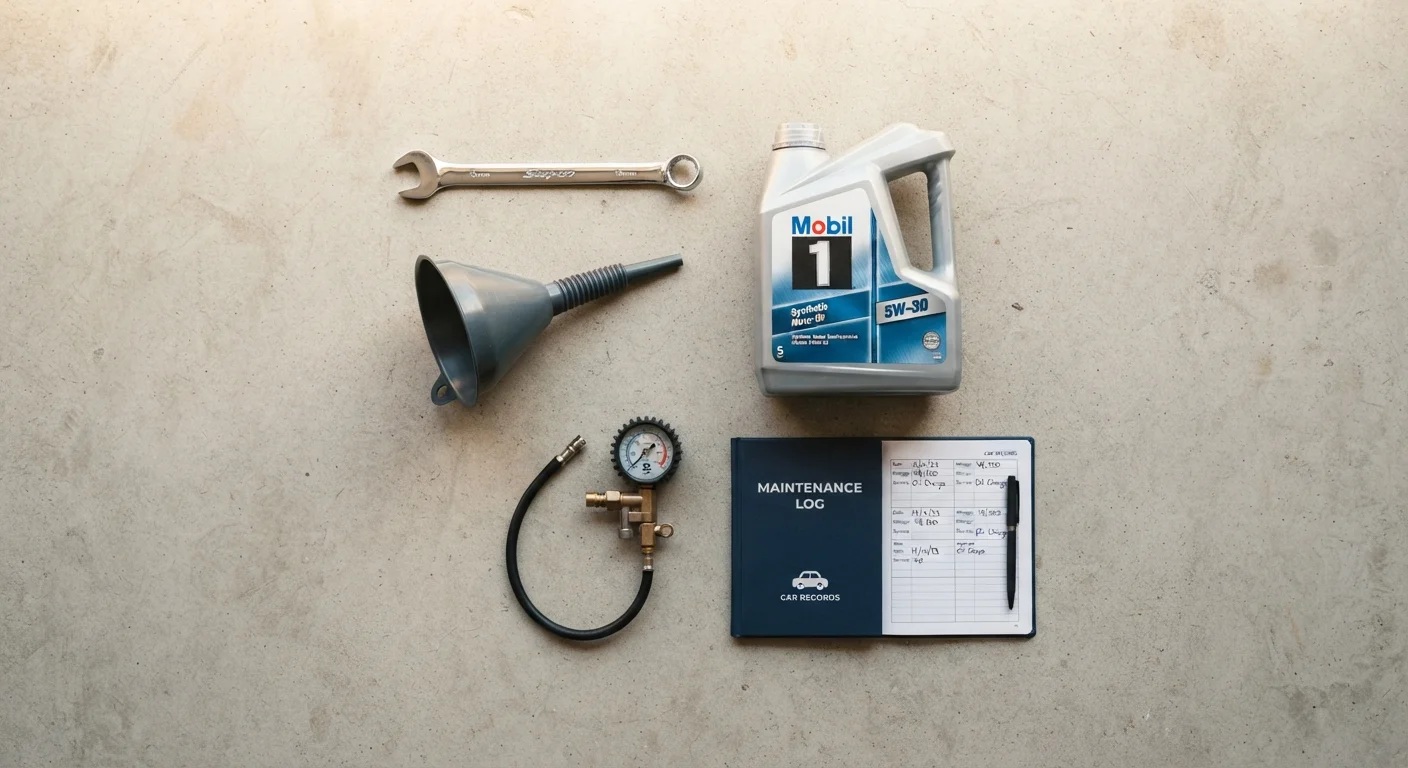
Everything an everyday driver needs to understand about maintaining a vehicle — from fluid checks and tyre care to service schedules and safety.
Key takeaways
- Your owner's manual contains the manufacturer-approved service schedule — it's the most reliable maintenance reference you have.
- Checking five key fluids monthly takes under 10 minutes and can prevent expensive repairs.
- Tyre pressure should be verified at least once a month, always when the tyres are cold.
- Modern vehicles often stretch oil-change intervals to 5,000–10,000 miles depending on oil type and driving conditions.
- Dashboard warning lights are not suggestions — addressing them promptly avoids compounding damage.
- Some maintenance tasks are safe for home mechanics; others involving brakes, suspension, or airbags require a qualified professional.
Why Routine Maintenance Matters More Than Most Drivers Realize
Vehicles are among the most expensive assets most households own, yet maintenance is often deferred until something breaks. That reactive approach typically costs far more over time. A worn serpentine belt that costs roughly $100–$150 to replace can, if it snaps, disable the alternator, power steering, and cooling system simultaneously — turning a minor service into a multi-thousand-dollar repair bill.
Consistent maintenance also has a direct safety dimension. The National Highway Traffic Safety Administration (NHTSA) estimates that tyre-related failures contribute to tens of thousands of crashes in the US each year — many preventable with basic pressure checks and timely replacement. Keeping your vehicle in good mechanical shape isn't just about longevity; it's about protecting everyone inside and around it.
~11,000
Tyre-related US crashes annually
NHTSA data indicates tyre failures and blowouts contribute to approximately 11,000 crashes per year in the United States.
$1,200+
Average cost of deferred repair
AAA research has found that deferred vehicle maintenance and repairs cost US drivers over a billion dollars annually in preventable breakdowns.
7,500–10,000 mi
Typical synthetic oil change interval
Most modern vehicles using full-synthetic oil carry manufacturer-recommended oil change intervals well beyond the outdated 3,000-mile guideline.
Your Owner's Manual: The Starting Point for Everything
The single most underused maintenance tool is sitting in your glove box. Your owner's manual contains the exact service intervals, fluid specifications, tyre ratings, and warning light definitions your specific vehicle needs — not a generic average. Manufacturer recommendations have become more precise as engines, transmission fluids, and synthetic oils have evolved, so following them matters more than ever.
Getting the most out of your owner's manual is simpler than most drivers expect. Look for the scheduled maintenance section, which typically lists services by mileage and time intervals side by side. The correct oil viscosity (for example, 0W-20 vs. 5W-30) and the right transmission fluid type are also specified there — using the wrong grade can void coverage under a powertrain warranty.
Fluid Checks Every Driver Should Know
Five fluids keep your vehicle running safely. Checking them takes less than 10 minutes with a cool engine and a clean rag.
- Engine oil: Pull the dipstick, wipe it clean, reinsert fully, then pull again. Oil should sit between the min/max marks and appear amber-brown, not black or gritty. Dark, sludgy oil is overdue for a change.
- Coolant (antifreeze): Check the translucent reservoir — never open the radiator cap on a hot engine. The level should fall between the MIN and MAX lines. Low coolant can lead to overheating within minutes of driving.
- Brake fluid: Located in a small reservoir near the firewall. If the level is noticeably low, have the brake system inspected — it may indicate worn pads or a leak, not simply evaporation.
- Power steering fluid: Many newer vehicles use electric power steering and have no fluid reservoir, but hydraulic systems have a reservoir with a dipstick or sight line. Low fluid can cause steering to feel heavy or make a whining noise.
- Windshield washer fluid: The only fluid on this list that won't damage your vehicle if empty — but running out in winter or during a dust storm is a visibility hazard.
If any fluid is consistently low between checks, treat that as a symptom worth investigating rather than simply topping up repeatedly.
Tyre Care: Pressure, Tread, and Rotation
Tyres are the only part of your vehicle in contact with the road, which makes their condition foundational to safety and handling. Three habits cover the essentials.
Pressure: Check tyre pressure monthly using an inexpensive gauge, always when the tyres have been stationary for at least three hours (cold). The correct pressure is printed on a sticker inside your driver's door jamb — not the number moulded into the tyre sidewall, which is the maximum, not the recommended pressure. Under-inflation increases rolling resistance and heat buildup; over-inflation reduces traction and accelerates centre-tread wear.
Tread depth: Insert a quarter into a tread groove with Washington's head pointing down. If you can see the top of his head, you have roughly 4/32" of tread remaining and should start planning replacement. At 2/32" — the legal minimum in most US states — stopping distances in wet conditions increase substantially.
Rotation: Most manufacturers recommend rotating tyres every 5,000–7,500 miles to even out wear patterns. Front tyres on front-wheel-drive vehicles wear faster at the edges from steering loads; rotation extends the usable life of the full set.
Always check tyre pressure before a long highway trip, not after you've been driving — heat from the road artificially inflates your readings and can lead you to release pressure you actually need.
Tyre pressure increases as the tyre heats up during driving; a 'hot' reading can be 4–6 PSI higher than the cold baseline your door jamb sticker references.
If you buy a used vehicle, change the oil and all major fluids immediately regardless of what the seller says — you have no way to verify the actual service history without maintenance records in hand.
Starting with fresh, known-quality fluids gives you a clean baseline and eliminates one significant source of uncertainty about the vehicle's mechanical condition.
Service Schedules and What They Actually Cover
Scheduled services are typically grouped into minor and major intervals. A minor service (often every 5,000–10,000 miles) generally includes an oil and filter change, a tyre rotation, and a visual inspection of belts, hoses, and fluid levels. A major service — often at 30,000, 60,000, or 90,000 miles — adds items like air filter replacement, spark plugs, transmission fluid, coolant flush, and timing belt inspection or replacement where applicable.
The old 3,000-mile oil change rule was developed for conventional oil in older engines. Modern full-synthetic oils and tighter engine tolerances have extended many manufacturer-recommended intervals to 7,500–10,000 miles or more. Debunking persistent oil-change myths can save you money without harming your engine — as long as you follow the interval your manufacturer actually specifies, not a holdover from an earlier era.
To understand what a professional is doing when your car goes in, a transparent breakdown of what mechanics check helps you ask better questions and spot upselling when it happens.
Warning Signs You Should Never Ignore
Modern vehicles communicate through dashboard warning lights, sounds, and physical sensations. Dismissing them is one of the most expensive habits a driver can form.
- Check Engine light: Can indicate anything from a loose fuel cap to a misfiring cylinder. An OBD-II scanner (available at most auto parts stores) can pull the fault code; a mechanic can interpret it. Don't assume it's minor.
- Brake warning light: If this illuminates while driving (not just the parking brake indicator), pull over safely and have the system inspected before driving further.
- Temperature gauge in the red: Pull over and shut off the engine. Continuing to drive an overheating engine can warp cylinder heads — a repair that can cost more than the vehicle is worth.
- Vibration through the steering wheel: Often signals a tyre balance issue, worn tie rods, or warped brake rotors. Each has different urgency but all warrant diagnosis.
- Unusual noises: Squealing brakes suggest worn pad indicators; grinding suggests metal-on-metal contact requiring immediate attention; a knocking sound from the engine is a serious signal.
DIY vs. Professional Service: Drawing the Line
Many everyday maintenance tasks are genuinely manageable for drivers with basic tools and a willingness to follow instructions: topping up fluids, replacing cabin air filters, swapping wiper blades, and checking tyre pressure are all low-risk and well within reach. Tasks like replacing an engine air filter or changing a battery are slightly more involved but still straightforward for most people.
However, some jobs carry real injury or vehicle-damage risk if performed without proper training or equipment. Brake system work, suspension components, airbag-adjacent repairs, and anything involving fuel lines or high-voltage systems (particularly in hybrid and electric vehicles) should be handled by a qualified mechanic. This isn't a matter of skill gatekeeping — it's about understanding that incorrect brake work, for example, can cause brake failure at highway speed.
Understanding where to draw the DIY line is a practical skill in itself. When in doubt about a task's complexity or safety implications, consulting a licensed mechanic is always the right call.
This article provides general vehicle maintenance information for educational purposes. It is not a substitute for advice from a qualified automotive technician. Always follow your vehicle manufacturer's guidelines and consult a licensed mechanic for repairs involving safety-critical systems.
All published content on this website is for informational and educational purposes only and should not be taken as professional advice. We recommend that readers seek expert opinion before making any decisions. The website is not responsible for any actions taken based on the information provided on this website. We are not liable for any inaccuracies, modifications, or omissions in information. Moreover, external links or third-party content are provided for convenience; we are not liable for their correctness. Users are advised to verify every piece of information before they use it for any purpose.