
Road Trip Ready: A Pre-Journey Vehicle Check You Can Do in 20 Minutes

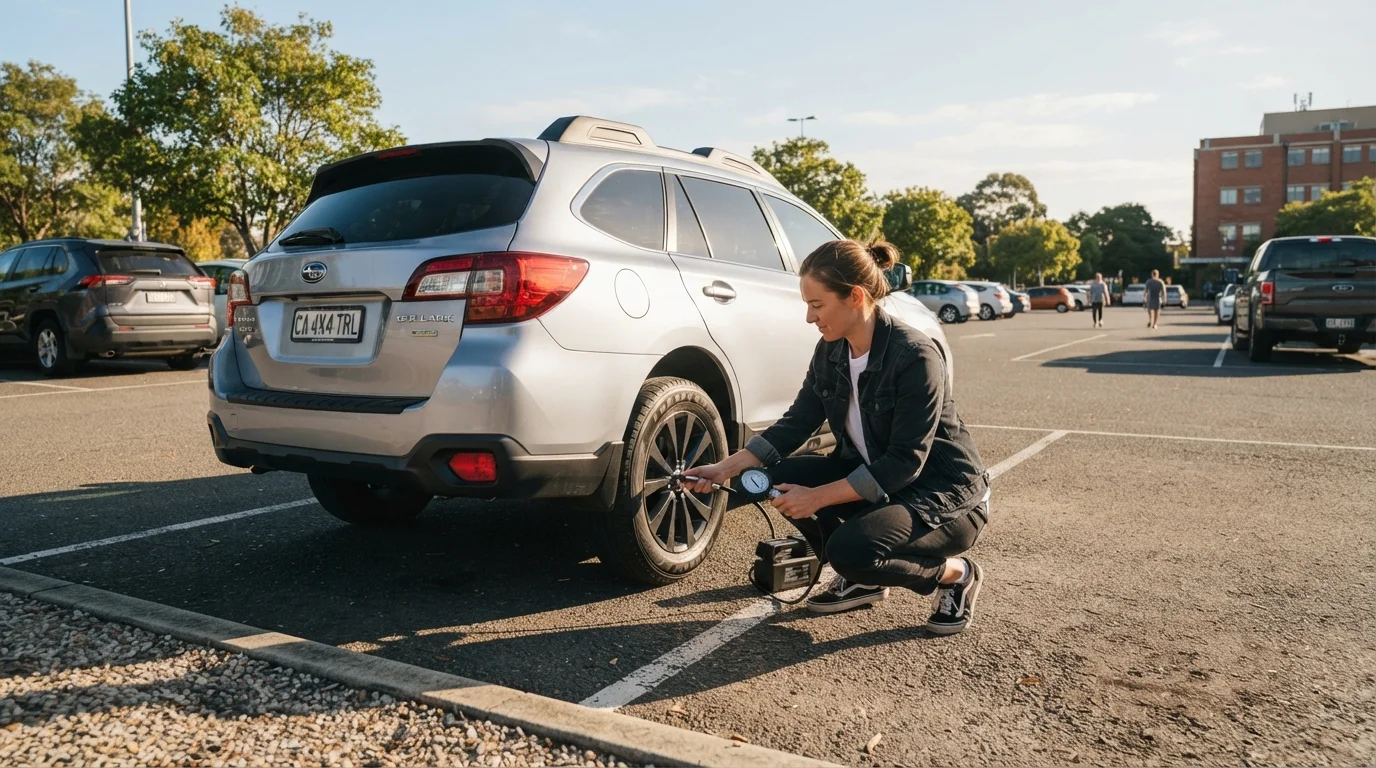
Before a long drive, run through this straightforward checklist — tyres, lights, fluids, and emergency kit — to reduce the risk of breakdowns.
Summary
22 items · 15–25 minutes
Key takeaways
- Tyre pressure and tread depth are the two most important checks before any long drive.
- Most fluid levels can be visually inspected in under five minutes without tools.
- A basic emergency kit costs little but can be invaluable if something goes wrong on the road.
- Lights and wipers are easy to overlook but critical for safety in variable conditions.
- Your owner's manual is the definitive source for vehicle-specific fluid specs and intervals.
Why 20 Minutes Before You Leave Can Save Your Trip
Most roadside breakdowns aren't random — they're predictable. Flat tyres, overheated engines, and dead batteries are among the most common causes of highway emergencies, and the majority of them show warning signs well before they become failures. The problem is that those signs go unnoticed because drivers skip a basic pre-trip inspection.
This checklist is designed to take 20 minutes or less for a vehicle in regular use. It doesn't require a lift, a mechanic's training, or specialized tools. What it does require is a few minutes of deliberate attention before you pull out of the driveway. For context on building these habits year-round, see the Seasonal Car Maintenance Calendar — a month-by-month reference that complements this pre-trip check.
Work through the checklist below in order. The groups are sequenced so you move logically around and through the vehicle, minimizing backtracking.
Tyre pressure gauge
Accurately measures PSI in each tyre to compare against the manufacturer's recommended level.
Penny (for tread depth test)
Provides a quick visual indicator of whether tread depth has fallen below a safe threshold.
Flashlight or phone torch
Helps you see into dark engine bay areas, under the car, and tyre sidewalls.
Owner's manual
Provides the exact fluid specifications, warning light explanations, and service intervals for your specific vehicle.
Funnel and fluid top-ups
Makes adding oil, coolant, or washer fluid cleaner and more accurate without spills.
Terminal cleaning brush
Removes corrosion from battery terminals quickly and safely before departure.
How to Work Through the Checklist
Start with tyres — they're the single most common cause of trip-disrupting breakdowns and the easiest to address in a driveway. Then work through fluids under the hood while the car is cold, which is the safest time to access the coolant system. Finish with a lights and visibility walk-around, which you can do quickly once the car is running.
If you haven't already, locate your owner's manual in the glove box before you start. It contains the exact oil grade, coolant type, and fluid capacities for your specific vehicle — information that generic advice can't reliably provide. Our guide to understanding your owner's manual explains exactly what to look for and where to find it.
Low brake fluid warrants professional attention
If your brake fluid reservoir is noticeably low, do not simply top it up and drive. Low brake fluid is often a sign of a leak or worn brake pads — both of which require inspection by a qualified mechanic. Driving with compromised brakes poses a serious safety risk to you and other road users.
Don't open the coolant cap on a hot engine
Always check coolant levels when the engine is cold. Opening the coolant reservoir cap on a warm or hot engine can cause pressurised steam or boiling liquid to erupt, resulting in serious burns. Wait at least 30 minutes after the engine has been running before opening the cap.
The emergency kit group is easy to rush or skip, but it's worth a few extra minutes. Items like a warning triangle, jumper cables, and a copy of your insurance card cost nothing to verify and can make a significant difference if something goes wrong on a remote stretch of highway.
Tyres
Fluids
Lights & Visibility
Under the Hood
Emergency Kit
After the Check: What to Do If Something's Off
If you find a tyre that's significantly underinflated, a dashboard warning light you can't explain, or a fluid that's well below minimum, pause before departing. For straightforward issues — a tire needing air, a low washer fluid — address them on the spot. For anything involving the brake system, steering, engine warning lights, or unfamiliar sounds, consult a qualified mechanic rather than hoping for the best on the road.
Dashboard warning lights are not optional reading
A lit warning light — especially the check engine, oil pressure, battery, or temperature indicator — signals that something needs attention. Dismissing a warning light before a long drive can turn a minor issue into a major breakdown or safety hazard. Look up any unfamiliar light in your owner's manual and resolve it before departing.
This checklist is a snapshot of your vehicle's condition on departure day, not a replacement for scheduled maintenance. For a broader view of what your car needs across the year, the complete car maintenance overview covers everything from service intervals to long-term care. Making this pre-trip routine a habit takes less effort each time — and it's one of the more practical steps you can take toward a safer, less stressful journey.
All published content on this website is for informational and educational purposes only and should not be taken as professional advice. We recommend that readers seek expert opinion before making any decisions. The website is not responsible for any actions taken based on the information provided on this website. We are not liable for any inaccuracies, modifications, or omissions in information. Moreover, external links or third-party content are provided for convenience; we are not liable for their correctness. Users are advised to verify every piece of information before they use it for any purpose.