
Foraging for Wild Plants: What Beginners Get Wrong and How to Stay Safe

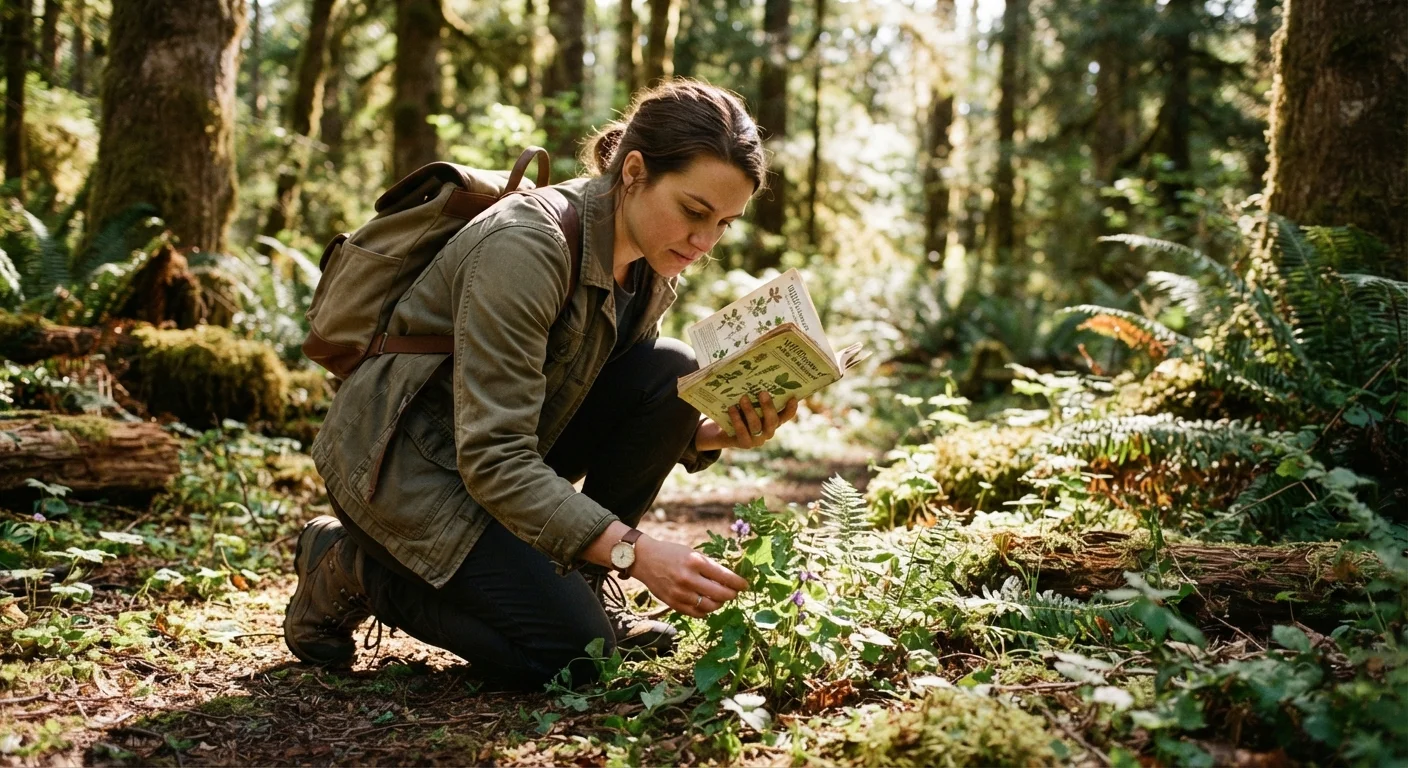
Misidentification is the most dangerous and common error new foragers make. Learn what pitfalls to watch for before heading into the field.
Key takeaways
- Misidentification is the leading cause of foraging-related illness and poisoning among beginners.
- A single field guide is rarely enough — cross-referencing multiple sources dramatically reduces error.
- Many toxic plants closely mimic edible species at certain growth stages, demanding careful inspection.
- Overharvesting a patch harms local ecosystems and can eliminate future foraging opportunities.
- Local foraging groups and guided walks offer the fastest, safest path to real-world knowledge.
Why Foraging Appeals — and Why It Demands More Than Enthusiasm
Foraging for wild plants has quietly moved from niche survivalist skill to genuine lifestyle hobby, drawing in curious adults who want to reconnect with the outdoors, diversify their cooking, and engage in something that feels genuinely hands-on. Like collecting as a hobby, foraging comes with deep satisfactions — and real risks worth understanding before you wade into the underbrush.
The appeal is easy to understand: a walk in the woods that ends with chanterelles or blackberries feels almost magical. But the same landscape also harbors plants that can cause serious harm. Poison hemlock, for instance, is so effective a mimic of edible wild carrot that it has injured even experienced practitioners. The beginner's learning curve isn't steep because foraging is complicated in principle — it's steep because the consequences of an error are not forgiving.
The good news is that the most common mistakes are entirely preventable. Understanding what goes wrong, and why, is the fastest route to foraging confidently and safely.
The Most Dangerous Mistakes Beginners Make
The errors that get new foragers into trouble tend to cluster around identification shortcuts, environmental blind spots, and a misplaced sense of confidence borrowed from apps or a single source. Below are the pitfalls that matter most — and how to sidestep each one.
Relying on a single identification source, such as one app or one field guide, to confirm a plant is safe to eat.
Why it happens: App-based plant ID tools have become popular and feel authoritative, giving beginners false confidence in a single digital match. Field guides, while more reliable, can still show illustrations that look similar across related species.
Focusing only on one or two identifying features rather than examining the whole plant from root to tip.
Why it happens: Beginners tend to fixate on the most obvious feature they've read about — leaf shape, color, or a distinctive smell — and stop searching once that one feature matches.
Foraging in contaminated environments such as roadsides, industrial areas, or heavily sprayed parks.
Why it happens: A plant that looks identical to one found in pristine woodland can grow anywhere, and beginners often don't consider what the soil or surrounding area might have absorbed over time.
Overharvesting by taking too much from a single patch, or stripping a plant entirely rather than harvesting sustainably.
Why it happens: The excitement of a successful find can override ecological awareness, especially when a species appears abundant. Many beginners aren't yet thinking about the plant community as a whole.
Assuming that 'natural' means safe, and that wild plants carry no risk of toxicity or allergic reaction.
Why it happens: Cultural messaging around natural foods has created a perception that wild-harvested plants are inherently wholesome and risk-free, which does not reflect botanical reality.
Skipping local legal and land-use research, foraging on private property or in protected areas without permission.
Why it happens: Enthusiasm for the hobby can outpace awareness of regulations, and foraging norms vary enormously by state, county, and land ownership — something new practitioners rarely think to investigate first.
Never Eat a Plant You're Not Certain Of
No visual resemblance to an edible species is close enough to justify uncertainty. Toxic plants such as poison hemlock and deadly nightshade have caused fatalities in adults who were confident in their identification. If there is any doubt whatsoever, do not consume the plant. When in doubt, leave it out — this rule has no exceptions.
Experienced foragers often say the hobby rewards the humble far more than the confident. That instinct to double-check, to sit with uncertainty a little longer before acting, is what separates an enjoyable afternoon in the woods from a medical emergency.
Building Skills the Right Way
The fastest and safest path to foraging competence isn't solo trial-and-error — it's learning alongside people who already know what they're doing. Local mycological societies, native plant groups, and guided foraging walks exist in most US regions and offer something no app can replicate: real plants, real habitats, and real-time feedback from someone who has made mistakes so you don't have to.
Pair that community experience with a solid regional field guide — one written specifically for your climate and geography rather than a general North American overview. Plants vary significantly by region, and a guide that describes species in your actual ecosystem will be far more useful than a broad national reference. For those who enjoy growing their own and want to understand plants more deeply, resources like starting a garden from zero or exploring gardening basics can build the botanical literacy that makes foraging identification more intuitive over time.
Start with a small shortlist of species that are distinctive, have no dangerous lookalikes in your region, and are abundant locally. Dandelion, wood sorrel, and lamb's quarters are common starting points recommended by many foraging educators precisely because they're hard to confuse with toxic species. Master a handful of plants fully before expanding your repertoire — depth of knowledge beats breadth every time in foraging safety.
Treat your first season as an observation and learning season, not a harvesting season. Walk, identify, photograph, and verify — but hold off on eating until your identification skills have been tested and confirmed by someone with real experience. It's a slower approach, but foraging is a hobby best measured in years of growing knowledge, not pounds of first-season harvest.
All published content on this website is for informational and educational purposes only and should not be taken as professional advice. We recommend that readers seek expert opinion before making any decisions. The website is not responsible for any actions taken based on the information provided on this website. We are not liable for any inaccuracies, modifications, or omissions in information. Moreover, external links or third-party content are provided for convenience; we are not liable for their correctness. Users are advised to verify every piece of information before they use it for any purpose.