
Collecting as a Hobby: The Satisfactions and Real Pitfalls Worth Knowing

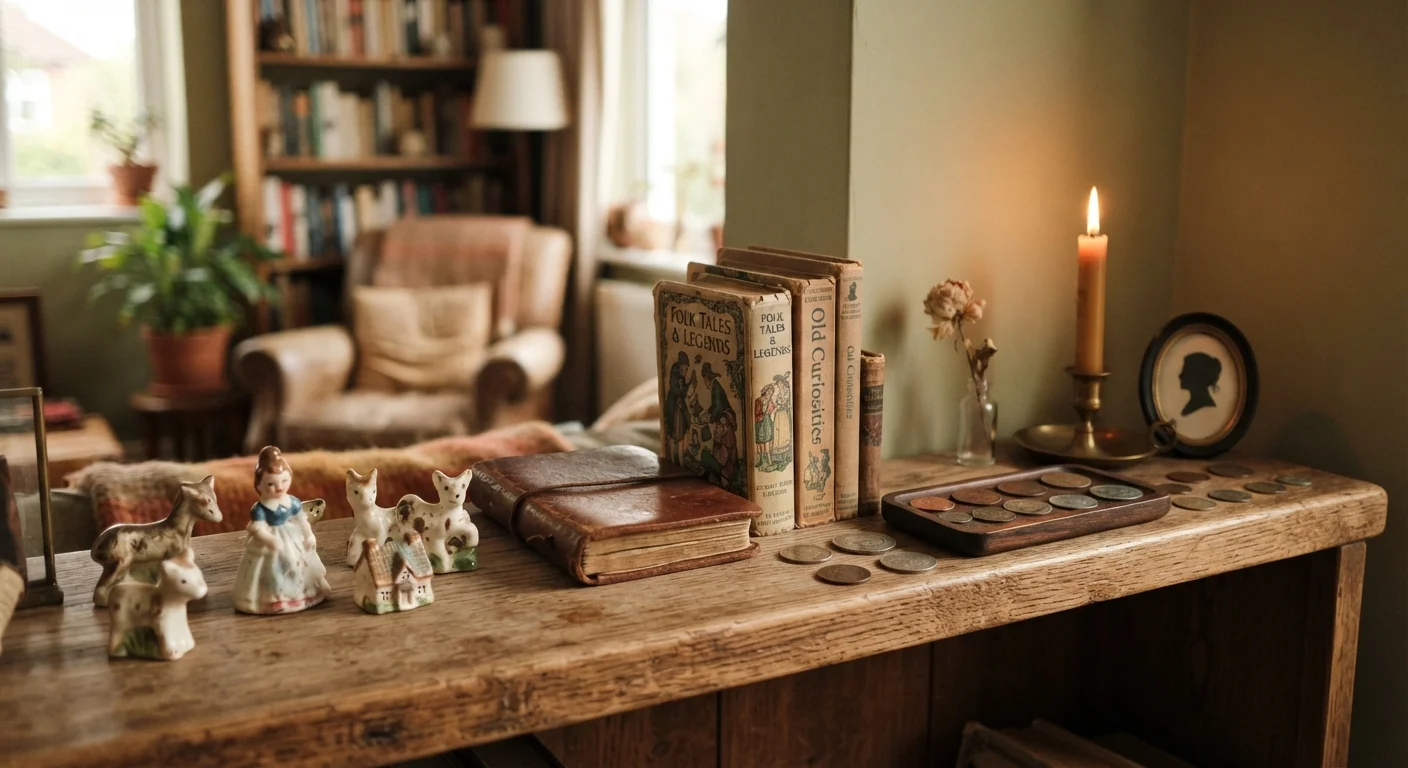
Collecting can be deeply rewarding, but it also carries risks of overspending and clutter. Here's a balanced look at what you're signing up for.
Our Verdict
Collecting is one of the most personal and intellectually rich hobbies available to adults — it rewards curiosity, patience, and a love of history or craft. That said, it asks for honest self-awareness around spending habits, storage realities, and the line between passion and compulsion. Approached thoughtfully, it can be a deeply satisfying lifelong pursuit; approached carelessly, it becomes a source of financial stress and clutter.
Best suited to adults who enjoy research and curation, have defined storage space, and can set — and stick to — a realistic hobby budget.
Key takeaways
- Collecting builds genuine expertise, community connection, and a meaningful sense of identity.
- Costs can escalate quickly — especially in competitive or niche markets — without a clear budget.
- Physical collections demand real space, and digital alternatives don't always satisfy the same way.
- The hobby can hold long-term value, but treating it as an investment strategy carries significant risk.
- Setting intentional limits from the start helps collectors stay joyful rather than overwhelmed.
What Makes Collecting So Compelling
There's something almost primal about the collecting impulse. Humans have gathered meaningful objects for as long as recorded history, from Roman coin hoards to Victorian-era natural history cabinets. Today, collectors pursue everything from mid-century pottery and vinyl records to vintage sports cards and rare succulents — and the motivations are as varied as the objects themselves.
At its core, collecting offers a structured way to engage curiosity. Each acquisition involves research, evaluation, and decision-making that exercises the mind in ways passive leisure rarely does. For many collectors, the hunt is as satisfying as the find itself — browsing estate sales, scouring online marketplaces, or connecting with dealers builds a kind of ongoing narrative that keeps the hobby fresh year after year.
If you're weighing whether collecting might suit your temperament and lifestyle, it's worth understanding both sides of the ledger. This hobby rewards certain personalities richly, but it also has real pitfalls that are worth knowing before you start filling shelves. For a broader sense of how collecting fits into adult leisure more generally, see our piece on leisure pursuits that hold up across decades of life.
The Real Advantages of Collecting
Collecting offers a cluster of psychological and social benefits that go well beyond owning nice things.
Builds deep, genuine expertise over time
Collectors routinely develop specialist knowledge that takes years to accumulate — provenance, authentication, historical context, and market nuance. This expertise is both intrinsically rewarding and socially valued within collector communities.
Creates meaningful community and social connection
Collector clubs, trade fairs, online forums, and auction events provide rich opportunities for connection with people who share specific enthusiasms. These communities often prove surprisingly welcoming and long-lasting.
Offers a tangible, screen-free leisure experience
Handling physical objects — examining them, cataloguing them, displaying them — engages the senses in ways that digital hobbies rarely do. Many collectors describe this tactile dimension as a key part of the hobby's appeal.
Provides a structured outlet for curiosity and research
Every acquisition typically involves research into history, rarity, condition, and value. This keeps the mind actively engaged and gives the hobby an ongoing sense of discovery rather than stagnation.
Can carry meaningful personal or cultural significance
Collections often become repositories of personal memory, family history, or cultural identity. A collection of vintage baseball cards or folk art from a specific region can carry a depth of meaning that transcends monetary value.
The expertise collectors develop is often underappreciated. A dedicated collector of Depression-era glassware or pre-war jazz records typically knows more about their niche than most academics. That depth of knowledge becomes its own reward — and occasionally earns community respect that's hard to replicate in other hobbies.
The social dimension is also quietly powerful. Collector communities — whether at local swap meets, club meetings, or online forums — tend to be welcoming to newcomers who show genuine interest. If you're looking for hobbies that foster human connection, few deliver it as reliably as collecting does.
The Pitfalls That Trip Up Even Enthusiastic Collectors
Collecting has a way of expanding beyond its original intentions. What begins as a modest interest in vintage maps or antique cameras can, without deliberate guardrails, become a significant financial and spatial commitment.
Costs can escalate fast without clear limits
Competitive collecting markets — coins, vintage comics, first-edition books — can drive prices sharply upward, and the thrill of acquisition sometimes overrides financial caution. Without a defined budget, spending can outpace what the hobby realistically warrants.
Physical collections demand substantial storage space
Objects accumulate volume and weight in ways that digital hobbies simply don't. Collections that outgrow available display space often end up boxed in closets or storage units, which undermines both enjoyment and the logic of the hobby.
Valuation and resale can be unpredictable
Collectibles markets are driven by trends, generational nostalgia, and condition standards that shift over time. An item purchased for significant money may not hold that value — making collecting a poor choice as a financial strategy.
Risk of compulsive acquiring rather than mindful curation
For some people, the collecting impulse can tip from enjoyment into compulsion — where the act of acquiring becomes obligatory and the collection stops being a source of pleasure. Recognizing this pattern early is important.
Authentication and fraud are genuine concerns
In markets for vintage, rare, or high-value items, fakes and misrepresented pieces are a real risk — particularly online. Developing authentication skills or working with reputable dealers takes time and sometimes money.
Collections can become burdensome to manage or pass on
Large collections require cataloguing, insurance consideration, and eventual disposition planning. Heirs may not share the collector's enthusiasm, making a lifetime of curation potentially difficult to transfer with its full meaning intact.
Perhaps the most underestimated risk is the psychological shift from enjoyment to compulsion. When acquiring new pieces starts to feel obligatory — or when passing on an item creates anxiety rather than relief — the hobby may have crossed into territory worth examining. This doesn't happen to every collector, but it happens often enough that experienced enthusiasts frequently talk about it openly.
It's also worth noting the financial dimension with clarity: while some collections do appreciate meaningfully, treating a hobby collection as a reliable investment is speculative at best. Markets for collectibles are notoriously volatile, driven by trends, nostalgia cycles, and condition grading that can feel arbitrary. For general context on financial trade-offs worth understanding, our Saving & Growing hub covers foundational money concepts that apply here.
Keeping the Hobby Sustainable and Joyful
The collectors who seem happiest over the long haul tend to share a few common habits. They define their collection's scope early — whether that's a specific era, format, price range, or thematic focus — so the hobby has natural edges rather than sprawling indefinitely. A collection with focus is almost always more visually coherent and intellectually satisfying than one that accumulates indiscriminately.
~45%
U.S. adults who identify as active collectors
Survey data from the American Stamp Dealers Association and various hobby industry reports suggest that roughly 45% of American adults collect something, ranging from casual to serious engagement.
$16B+
Estimated U.S. collectibles market annual value
Industry analysts have estimated the U.S. market for collectibles — spanning coins, cards, vintage toys, art, and more — at well over $16 billion annually, reflecting the scale of collector spending.
Budgeting deserves special attention. Setting a monthly or annual hobby allowance — and treating it like any other discretionary spending category — removes a lot of the guilt and second-guessing that can drain collecting of its joy. Some collectors adopt a one-in, one-out rule to manage space and spending simultaneously.
It's also worth comparing collecting to other hands-on hobbies before committing. Our look at pottery, woodworking, and leathercraft walks through how to weigh the costs and space demands of object-based hobbies — many of the same questions apply here. And if enthusiasm starts to fade, the strategies in keeping a hobby from fading into a forgotten phase can help you find your footing again.
Collecting, when approached with intention, is one of the most intellectually alive hobbies an adult can pursue. The key is staying in the driver's seat — letting the collection serve your curiosity, not the other way around.
All published content on this website is for informational and educational purposes only and should not be taken as professional advice. We recommend that readers seek expert opinion before making any decisions. The website is not responsible for any actions taken based on the information provided on this website. We are not liable for any inaccuracies, modifications, or omissions in information. Moreover, external links or third-party content are provided for convenience; we are not liable for their correctness. Users are advised to verify every piece of information before they use it for any purpose.