
Keeping a Car Battery Healthy Through Cold Winters and Hot Summers

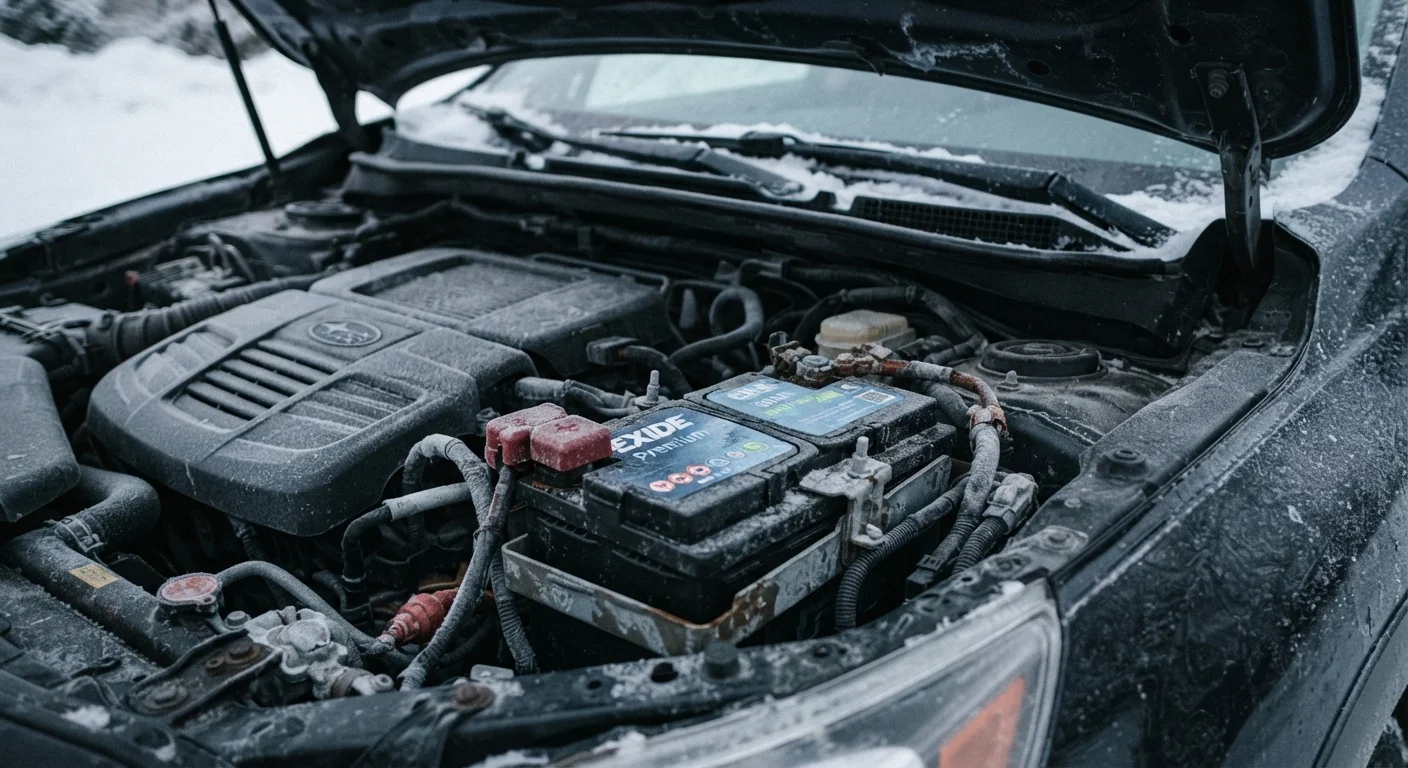
Temperature extremes are the leading cause of battery failure. Learn what stresses a battery and how to extend its working life.
Key takeaways
- Heat causes more long-term battery damage than cold, though cold weather reveals existing weakness.
- Most car batteries last three to five years; testing annually after year two catches problems early.
- Short trips and long storage periods drain batteries faster than steady highway driving.
- Keeping terminals clean and connections tight is one of the simplest ways to extend battery life.
- A failing battery rarely fails without warning — knowing the signs prevents being stranded.
Why Temperature Is Your Battery's Biggest Enemy
A car battery works by converting chemical energy into electrical current. That chemical process is sensitive to temperature at both extremes — and understanding why helps you protect it before problems strike.
Heat is the silent killer. When ambient temperatures climb above 95°F, the electrolyte fluid inside the battery begins to evaporate and the internal lead plates corrode faster. A battery that might last five years in a mild climate can degrade noticeably sooner in consistently hot regions. The damage accumulates gradually, often without obvious symptoms until the battery abruptly fails.
Cold exposes what heat has weakened. Cold temperatures slow the chemical reaction inside the battery, reducing the cranking power it can deliver. On a frigid morning, your engine also needs more power to turn over because thicker oil creates greater resistance. If the battery has already been degraded by summer heat, it may simply not have enough reserve to bridge that gap — which is why so many failures happen on cold January mornings rather than during summer.
3–5 years
Typical car battery lifespan
The Battery Council International notes that average battery life in the US ranges from three to five years, with hot-climate regions often seeing shorter lifespans.
~33%
Drop in battery power at 0°F
According to AAA research, a fully charged lead-acid battery delivers roughly 35% less cranking power at 0°F compared to 77°F, compounding the challenge of cold starts.
Understanding this one-two punch helps explain the maintenance rhythm you need: protect the battery through summer, then test it before winter arrives. See our seasonal car maintenance calendar for a month-by-month framework that incorporates battery checks alongside other key tasks.
Best Practices for Year-Round Battery Health
These practices are straightforward, low-cost, and proven to extend the working life of your battery regardless of where you live or what you drive.
Have your battery load-tested once a year, starting after its second year in service.
A voltage reading alone doesn't reveal how much capacity a battery has under the real stress of starting an engine. A load test does. Catching a weakening battery before winter or a long road trip gives you time to replace it on your schedule, not the battery's.
Keep the terminal posts and cable connections clean and tight.
Corrosion on battery terminals acts like a resistor in the circuit — it reduces the current that reaches the starter and can cause intermittent electrical gremlins that are hard to diagnose. Loose connections compound the problem by creating arcing and heat.
Avoid frequent short trips as your primary driving pattern when possible.
Your alternator recharges the battery while you drive, but it needs sustained driving — typically 20 minutes or more at moderate speeds — to meaningfully restore charge after starting. A series of five-minute errands repeatedly draws on the battery without fully replenishing it.
Use a maintenance charger if your vehicle will sit unused for more than two weeks.
A parked vehicle still draws a small amount of current from the battery to power clocks, security systems, and memory modules — a phenomenon called parasitic drain. Over two or more weeks, this can deplete the battery enough to damage it or prevent it from starting.
Park in a garage or covered area during extreme temperature events when possible.
While you can't control regional climate, reducing the battery's direct exposure to peak summer heat and overnight winter lows slows degradation. Even a modest reduction in temperature swings helps the battery's chemistry stay stable over time.
Turn off all accessories before shutting down the engine and starting a cold engine.
Headlights, seat heaters, the rear defroster, and the blower motor all pull current. Starting the engine while they are all active maximizes the load on a battery that is already stressed — particularly in cold weather when capacity is reduced.
Warning Signs You Should Never Ignore
A car battery rarely fails without offering at least a few warning signals. Catching them early is the difference between a planned replacement and an inconvenient roadside breakdown.
- Slow engine crank: If the engine turns over sluggishly — especially on mild days when cold shouldn't be a factor — the battery is losing capacity.
- Dashboard battery or check-engine light: These can indicate the battery or charging system needs attention. Have it tested promptly rather than hoping the light clears on its own.
- Swollen battery case: Excessive heat can cause the battery casing to bulge. A visibly distorted battery should be replaced immediately and handled carefully.
- Corroded terminals: A white or blue-green crust around the terminal posts restricts current flow. Light corrosion is manageable; heavy buildup alongside other symptoms suggests the battery is on its way out.
- Frequent jump-starts: Needing a jump more than once in a season is a clear signal the battery cannot reliably hold a charge.
Deferring action on any of these signs tends to escalate costs. A weak battery can stress the alternator and starter motor — components that are significantly more expensive to replace. Our article on why skipping small repairs leads to bigger bills covers exactly this pattern.
Quick Actions You Can Take Right Now
You don't need a mechanic's training to improve your battery's odds of lasting its full service life. A few simple habits make a measurable difference.
It's also worth separating fact from habit here: many drivers believe running the engine for a few minutes after a short trip fully recharges the battery. In practice, alternators are most efficient at highway speeds, and repeated short trips genuinely do undercharge the battery over time. For a broader look at common maintenance misconceptions, see our piece on car maintenance myths that cost drivers money.
This article provides general educational information about vehicle battery care. Always consult a qualified mechanic for diagnosis, battery testing, or replacement work, and follow all safety precautions when working near a car battery.
All published content on this website is for informational and educational purposes only and should not be taken as professional advice. We recommend that readers seek expert opinion before making any decisions. The website is not responsible for any actions taken based on the information provided on this website. We are not liable for any inaccuracies, modifications, or omissions in information. Moreover, external links or third-party content are provided for convenience; we are not liable for their correctness. Users are advised to verify every piece of information before they use it for any purpose.