
Credit & Debt: An End-to-End Resource for Understanding Your Financial Obligations

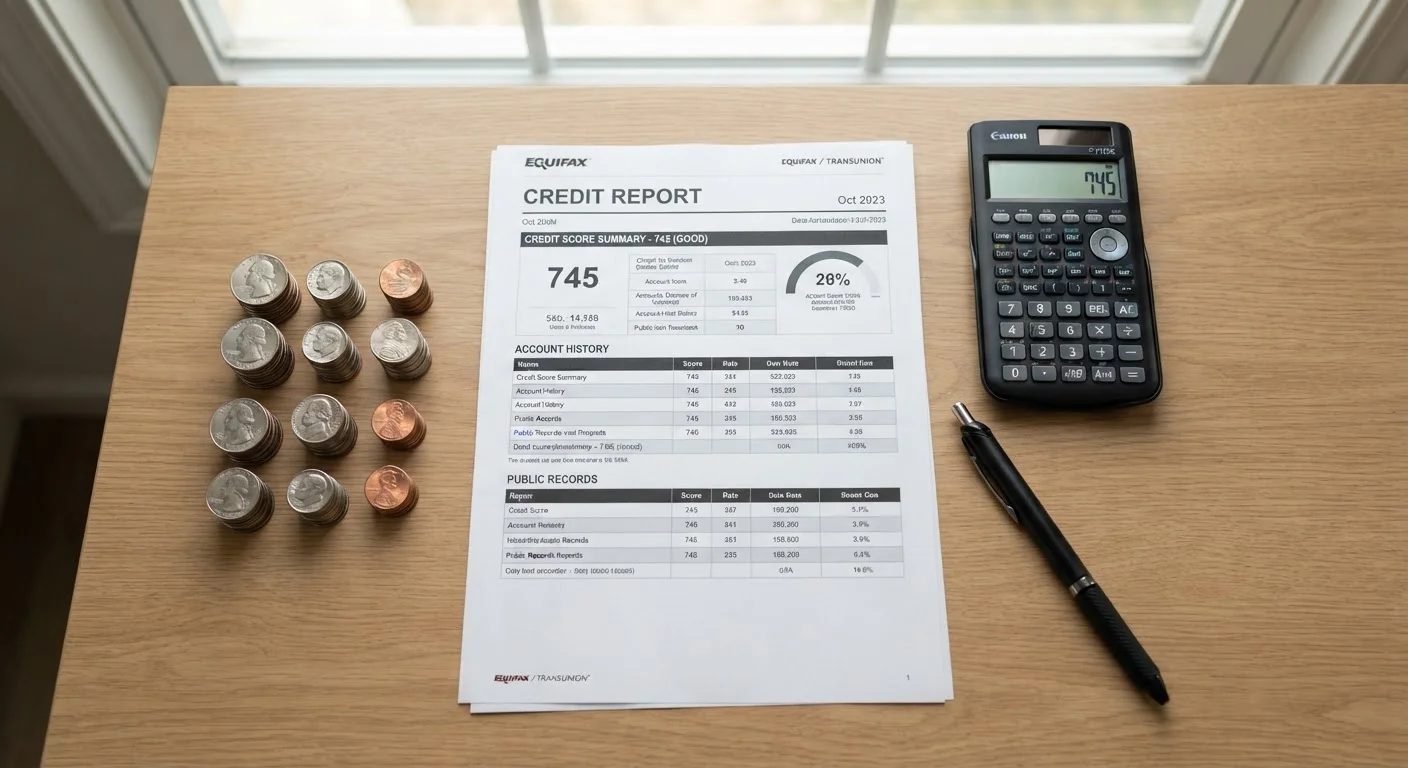
From understanding scores and reports to managing and repaying debt, this comprehensive guide covers the full credit landscape in one place.
Key takeaways
- Credit scores are calculated from five factors, with payment history carrying the most weight.
- You are entitled to free credit reports from each major bureau annually via AnnualCreditReport.com.
- Secured debt is backed by collateral; unsecured debt is not — and lender recourse differs significantly.
- The debt avalanche and debt snowball are two proven repayment frameworks with different motivational benefits.
- Errors on credit reports are common and can be disputed directly with the reporting bureau.
- Consulting a nonprofit credit counselor can provide personalized guidance without promotional pressure.
What Credit and Debt Really Mean
Credit is the ability to borrow money or access goods and services with the agreement to repay later, typically with interest. Debt is what results when you use that credit — a legal obligation to repay a lender under agreed-upon terms. These two concepts are deeply intertwined, and understanding both is essential to making confident financial decisions.
Not all debt is harmful. A mortgage, for example, may help build long-term equity. Student loans may expand earning potential. The key variable is whether the debt is manageable relative to your income and aligned with a realistic repayment plan. Unmanaged debt, by contrast, can compound quickly due to interest and fees, making it progressively harder to resolve.
The foundation of healthy credit is understanding how lenders assess you. When you apply for a loan, a credit card, or even an apartment, creditors typically review your credit profile — a record of how you've handled borrowing in the past. That profile informs both whether you qualify and what interest rate you'll pay. The better your credit profile, the more favorable the terms you're likely to receive.
This article is for general informational and educational purposes only and does not constitute personalized financial, legal, or tax advice. Consult a qualified financial professional before making decisions based on your individual circumstances.
How Credit Scores Are Calculated
A credit score is a three-digit number — typically ranging from 300 to 850 — that summarizes your creditworthiness based on data in your credit report. The most widely used scoring model, FICO, calculates scores using five weighted factors:
- Payment history (35%): Whether you pay on time. A single missed payment can meaningfully lower your score.
- Amounts owed (30%): Your credit utilization — the ratio of balances to credit limits. Keeping utilization below 30% is generally advisable.
- Length of credit history (15%): How long your accounts have been open. Older accounts tend to help.
- Credit mix (10%): Having a variety of credit types — installment loans and revolving credit — can be a modest positive factor.
- New credit (10%): Recent applications that trigger hard inquiries can cause a small, temporary score dip.
35%
Weight of payment history in FICO score
According to FICO's published scoring methodology, payment history is the single largest factor in your credit score calculation.
~1 in 5
Americans with a credit report error
A Federal Trade Commission study found that roughly one in five consumers had an error on at least one of their three major credit reports.
$6,360
Average U.S. credit card balance
According to Experian's 2023 State of Credit report, the average American carried approximately $6,360 in credit card debt.
VantageScore, another widely used model, uses the same underlying data but may weight factors differently. Regardless of model, the same habits — paying on time and avoiding overextension — consistently lead to stronger scores.
Score ranges vary by model, but broadly: scores above 740 are considered very good to exceptional; 670–739 as good; 580–669 as fair; and below 580 as poor, though individual lenders set their own thresholds.
Understanding Your Credit Report
Your credit report is the underlying document that credit scores are built from. Under federal law (the Fair Credit Reporting Act), you're entitled to one free report per year from each of the three major credit bureaus — Equifax, Experian, and TransUnion — available through AnnualCreditReport.com.
A credit report contains several key sections: personal identifying information, account history (open and closed accounts, balances, and payment records), public records such as bankruptcies, and a list of recent inquiries. Each section can affect how lenders view your profile.
Errors on credit reports are more common than many people realize. A 2021 report from the Consumer Financial Protection Bureau noted that disputes about credit reporting were among the most common complaint categories it received. Errors might include accounts that don't belong to you, incorrect balances, or payments incorrectly marked late. If you find an error, you have the right to dispute it directly with the reporting bureau in writing. The bureau is generally required to investigate within 30 days.
For a detailed walkthrough of each section and what the entries mean, see Reading Your Credit Report Without Getting Lost.
Types of Debt and What They Mean for You
Debt broadly falls into two categories: secured and unsecured. Secured debt is tied to collateral — a specific asset the lender can claim if you stop paying. Mortgages (backed by your home) and auto loans (backed by the vehicle) are common examples. Because the lender has a fallback, secured debt often carries lower interest rates.
Unsecured debt has no collateral attached. Credit cards, personal loans, and medical debt fall into this category. If you default, the lender cannot automatically seize an asset — but they can pursue collection actions, report the default to credit bureaus, and potentially sue for repayment. Because unsecured debt presents higher risk to lenders, it typically carries higher interest rates.
Other debt distinctions worth knowing:
- Revolving debt (like credit cards) lets you borrow repeatedly up to a limit, pay it down, and borrow again.
- Installment debt (like mortgages and student loans) has a fixed payment schedule over a defined term.
- Federal vs. private student loans differ significantly in repayment options, forgiveness programs, and borrower protections.
Understanding these distinctions matters when prioritizing repayment and negotiating with lenders. Secured vs. Unsecured Debt: How Collateral Changes Everything offers a deeper look at each type's implications.
Strategies for Managing and Repaying Debt
Two well-established repayment frameworks give borrowers a structured way to eliminate debt:
- Debt Avalanche: Pay minimums on all accounts and direct any extra funds toward the debt with the highest interest rate. This approach minimizes total interest paid over time.
- Debt Snowball: Pay minimums on all accounts and put extra money toward the smallest balance first. As each small balance is eliminated, you gain momentum. Research suggests this method may work well for people motivated by visible progress.
Neither approach is universally superior — the best one is the one you'll consistently follow. If your budget feels stretched, start with a clear picture of all your debts: balance, interest rate, and minimum payment. A simple spreadsheet or free budgeting tool can help. See the Budgeting Basics hub for frameworks to build that foundation.
Before choosing a repayment strategy, calculate the total interest you'd pay under each approach using a free online debt payoff calculator. The difference can be thousands of dollars and often clarifies which method fits your situation.
Many people choose a repayment method based on general advice without seeing the actual numbers for their specific debts — visualizing the cost gap makes the decision concrete and more motivating.
When negotiating with a creditor on a past-due account, ask for a 'pay-for-delete' or at minimum confirm in writing that the account will be reported as 'paid in full' — not 'settled for less than owed,' which carries a different credit impact.
How a resolved debt is reported to bureaus can meaningfully affect your credit profile for years; the distinction is often negotiable but rarely volunteered by creditors.
If you're struggling with high-interest debt, debt consolidation — combining multiple balances into a single loan, ideally at a lower rate — may reduce the total interest burden and simplify repayment. However, consolidation doesn't eliminate debt; it restructures it. Understand the full terms, including any fees or extended repayment periods, before proceeding.
Nonprofit credit counseling agencies, many of which are accredited by the National Foundation for Credit Counseling (NFCC), can help you develop a personalized repayment plan. These services are generally low-cost or free and do not involve product sales.
Protecting and Building Your Credit Over Time
Building strong credit is a long-term process, not a one-time action. The most reliable strategy is consistent behavior: pay every bill on time, keep credit card balances well below your limits, and avoid opening multiple new accounts in a short window.
If your credit history is thin or damaged, secured credit cards and credit-builder loans can help establish a positive track record. These products are designed specifically for people rebuilding or starting from scratch. As with any financial product, read the terms carefully — particularly fees and interest rates.
Monitoring your credit regularly allows you to catch unauthorized accounts (a sign of identity theft) early and track your progress. Free credit monitoring services are available through several financial institutions and websites, though features vary. Placing a credit freeze with each of the three major bureaus is one of the most effective protections against identity theft — it prevents new credit from being opened in your name without your explicit action to lift the freeze.
Financial stress from debt can also affect other areas of life. If debt management feels overwhelming, balancing that pressure alongside daily obligations is a real challenge. Resources on managing stress and maintaining balance may offer useful perspective alongside financial strategies.
Credit and debt management ultimately come down to informed habits, consistent decisions, and seeking professional guidance when needed. There is no shortcut, but there is a clear path — and this guide is designed to help you find your footing on it.
This article is for general informational and educational purposes only and does not constitute personalized financial, investment, or legal advice. Consult a licensed financial professional for guidance tailored to your specific situation.
All published content on this website is for informational and educational purposes only and should not be taken as professional advice. We recommend that readers seek expert opinion before making any decisions. The website is not responsible for any actions taken based on the information provided on this website. We are not liable for any inaccuracies, modifications, or omissions in information. Moreover, external links or third-party content are provided for convenience; we are not liable for their correctness. Users are advised to verify every piece of information before they use it for any purpose.