
Sleep Hygiene: What It Actually Means and Why It Shapes Everything Else

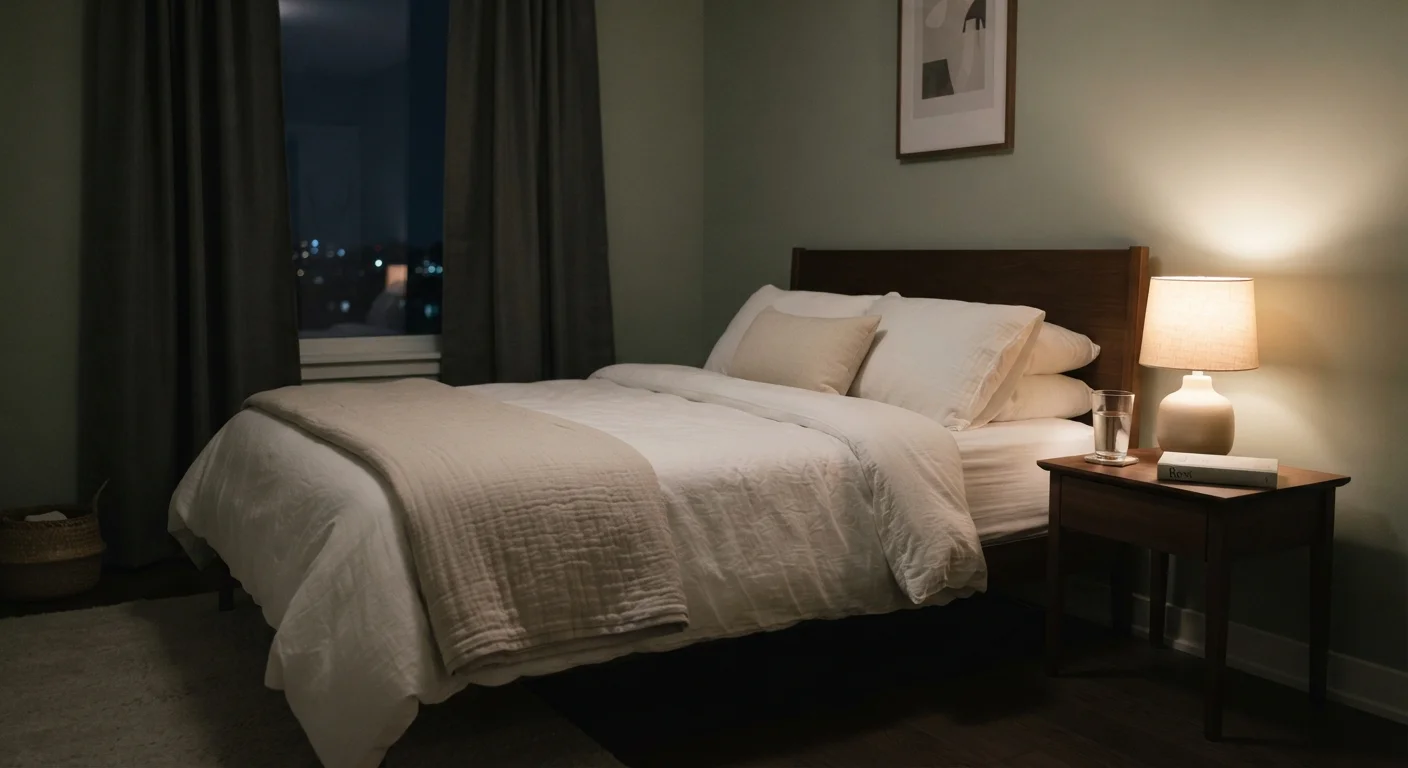
Sleep hygiene is more than a bedtime checklist. Understand the principles behind it and how consistent sleep patterns affect overall health.
Key takeaways
- Sleep hygiene is a collection of daily habits, not just a bedtime routine.
- Consistency in sleep and wake times is one of the most impactful changes you can make.
- Light exposure, temperature, and pre-sleep behavior all influence sleep quality.
- Poor sleep affects mood, focus, metabolism, and immune function.
- Small, sustainable adjustments tend to outperform dramatic overnight overhauls.
More Than a Bedtime Checklist
When most people hear "sleep hygiene," they picture a list of things not to do before bed — no caffeine, no screens, no late meals. And while those specific habits matter, they represent only a slice of what sleep hygiene actually encompasses. At its core, sleep hygiene is about how your entire day sets the stage for what happens at night.
Your body's ability to fall asleep, stay asleep, and wake up feeling restored doesn't begin when you pull back the covers. It's influenced by when you first see morning light, how much physical movement you get, what you eat and when, how much mental stress accumulates, and dozens of smaller environmental signals throughout the day. By the time you're lying in bed, those inputs have already shaped the conditions for your night.
Understanding sleep hygiene this way — as an ongoing relationship between your lifestyle and your sleep system — shifts the conversation from rigid rules to flexible principles. That distinction matters, especially for adults trying to balance real demands on their time and energy. For a broader look at how habit formation works, see the science behind habit formation.
The Biological Machinery Behind the Habits
Two systems govern your sleep: the circadian rhythm and sleep pressure (also called homeostatic sleep drive). Understanding them makes the reasoning behind sleep hygiene recommendations much clearer — and easier to follow through on.
Your circadian rhythm is essentially your internal clock, running on a roughly 24-hour cycle. It's heavily influenced by light — particularly morning sunlight, which signals the brain to suppress melatonin and promote alertness. As the day progresses and light diminishes, melatonin rises again, nudging you toward sleep. Disruptions to this cycle — irregular wake times, bright artificial light late at night, or shift work — can throw off the rhythm in ways that compound over days and weeks.
Sleep pressure, meanwhile, is a chemical buildup (primarily adenosine, a byproduct of brain activity) that accumulates the longer you're awake. The longer you stay up, the sleepier you feel — until sleep flushes the buildup. Caffeine works by blocking adenosine receptors temporarily, which is why it can delay that sleepy feeling but doesn't eliminate the underlying pressure.
1 in 3
U.S. adults regularly get insufficient sleep
According to CDC data, a significant portion of American adults report sleeping fewer than the recommended seven hours per night on a regular basis.
7–9 hrs
Recommended sleep duration for most adults
The American Academy of Sleep Medicine and Sleep Research Society recommend seven to nine hours of sleep per night for adults aged 18–60 to promote optimal health.
24%
Reduction in emotional reactivity after poor sleep
Research published in behavioral neuroscience journals has found that sleep deprivation substantially amplifies the brain's reactivity to negative stimuli.
These two systems work best when they're aligned. Consistent sleep and wake times, appropriate light exposure, and avoiding habits that interfere with adenosine buildup are the direct outputs of this biology — not arbitrary rules.
The Environment Is Part of the Practice
Sleep hygiene extends beyond behavior into the physical space where you sleep. Research consistently identifies a few environmental factors that have meaningful effects on sleep quality:
- Temperature: Core body temperature naturally drops as you prepare for sleep. A cooler bedroom — often suggested in the range of 65–68°F, though comfort varies — can support that process. Sleeping in an overly warm room is a surprisingly common culprit for fragmented sleep.
- Light: Even small amounts of light during sleep can interfere with melatonin levels. Blackout curtains or a sleep mask can make a real difference, particularly in urban environments or during longer summer days.
- Noise: Consistent background sound (like white noise or a fan) tends to be more sleep-friendly than intermittent or unpredictable sounds, which trigger arousal responses in the brain.
- Bed associations: Sleep specialists often recommend reserving your bed primarily for sleep and intimacy — not working, scrolling, or watching shows. This strengthens the mental association between your bed and rest, which helps your brain begin its wind-down process when you lie down.
That last point connects to broader questions about screen habits — both what you watch and when. See watching smarter for a closer look at how viewing habits affect mental wind-down.
Why Sleep Quality Shapes Almost Everything Else
The consequences of poor sleep are well-documented and wide-ranging. In the short term, inadequate sleep affects reaction time, working memory, emotional regulation, and decision-making — often more severely than people realize, since sleep deprivation impairs self-assessment of impairment. You tend to feel more functional than you are.
Over time, chronic sleep disruption is associated with increased risk of metabolic issues, cardiovascular strain, immune suppression, and mood disorders. Sleep is also when the brain consolidates memories and clears metabolic waste — processes with significant implications for long-term cognitive health.
This is why sleep hygiene isn't just a wellness nicety — it functions as a lever for nearly every other area of health. Exercise recovery, nutritional choices, stress resilience, and even social behavior are influenced by how well-rested you are. Sleep is foundational in a way few other habits are. For more on building sustainable wellbeing practices across multiple areas, see building healthy habits across every area of wellbeing.
Start With One Anchor Habit
Rather than overhauling your entire routine overnight, try locking in a consistent wake time for two weeks first — even on weekends. This single change gives your circadian rhythm something stable to work with, and often makes other improvements easier to layer in. Morning and evening routines each play a role, and you don't have to tackle both at once.
This article is for general informational purposes only and is not a substitute for personalized medical advice. If you're experiencing persistent sleep difficulties, please consult a qualified healthcare provider.
Frequently Asked Questions
All published content on this website is for informational and educational purposes only and should not be taken as professional advice. We recommend that readers seek expert opinion before making any decisions. The website is not responsible for any actions taken based on the information provided on this website. We are not liable for any inaccuracies, modifications, or omissions in information. Moreover, external links or third-party content are provided for convenience; we are not liable for their correctness. Users are advised to verify every piece of information before they use it for any purpose.