
Building a Sustainable Exercise Habit When You Have Almost No Free Time

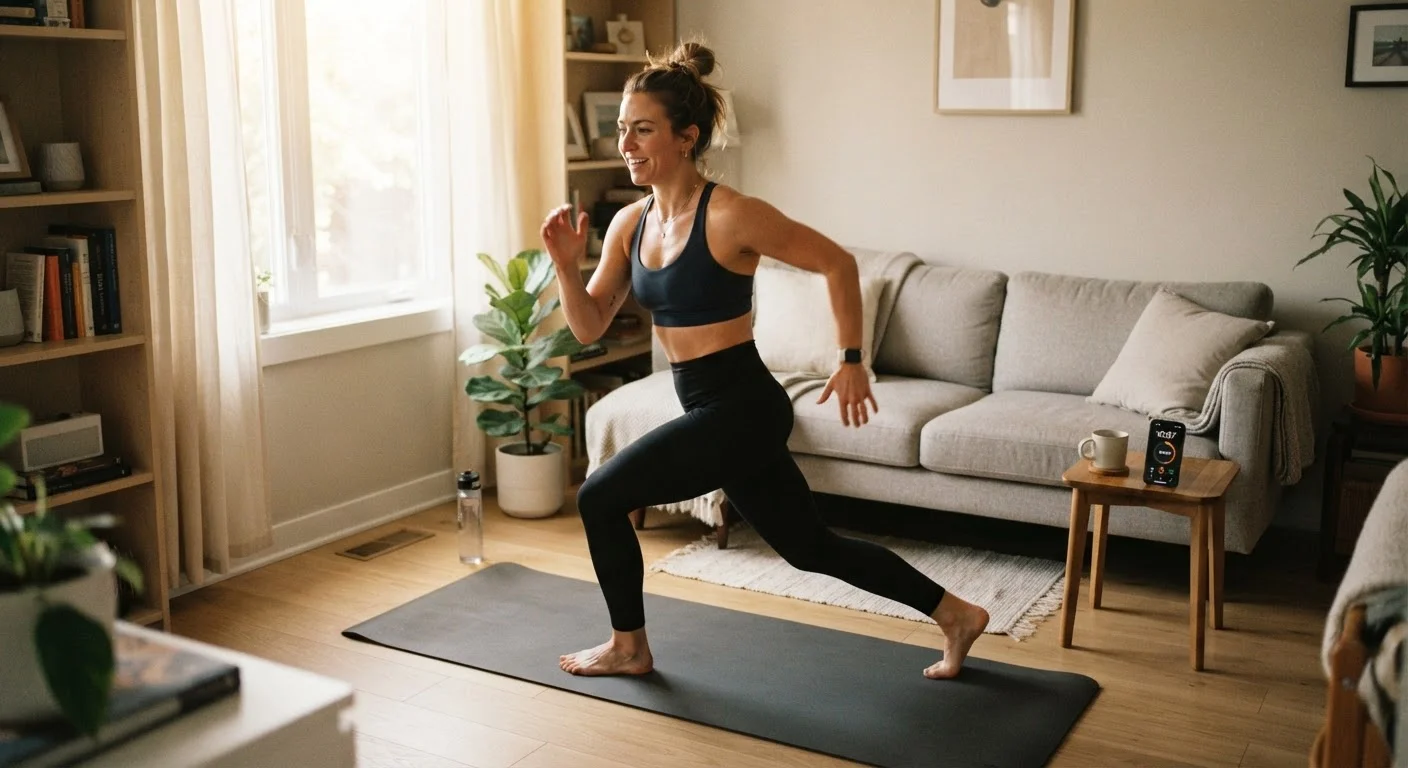
Short on time but keen to move more? Learn practical strategies for weaving physical activity into a packed daily schedule.
Key takeaways
- Short, consistent movement sessions are more sustainable than infrequent long workouts for busy adults.
- Habit stacking — attaching exercise to existing routines — removes the need for willpower alone.
- Micro-workouts of 10 minutes or less have documented cardiovascular and metabolic benefits.
- Reframing 'exercise' to include active commuting or walking meetings expands your options significantly.
- Recovery and rest are part of the habit, not a break from it — plan for both.
Why 'No Time' Is a Solvable Problem, Not a Fixed Reality
The most common barrier to regular exercise isn't motivation — it's the widespread belief that meaningful movement requires large, uninterrupted blocks of time. Behavioral research and exercise science increasingly challenge this assumption. Studies on exercise accumulation suggest that shorter bouts of activity, spread across the day, can produce comparable health benefits to a single longer session for many people. The pressure to find a 45-minute window before 7 a.m. is real, but it isn't the only path.
What tends to work better for genuinely time-constrained adults is a habit-architecture approach: designing movement into the structure of your existing day rather than carving out separate time that competes with everything else. This is less about discipline and more about design. For a broader look at how movement fits into overall wellbeing, this comprehensive guide to healthy habits covers the full picture alongside sleep, nutrition, and stress.
What you will need
The Tools and Mindset You'll Need
The good news is that building a time-efficient exercise habit requires very little equipment. What matters more is a shift in how you define exercise — from 'a session at a gym' to 'intentional physical effort, however brief.' This redefinition is foundational. Once you accept that a 10-minute walk and a 45-minute class both count, your options multiply considerably.
A simple timer or phone alarm
Sets clear start and end boundaries for micro-workout sessions so they don't bleed into other tasks.
A habit-tracking notebook or app
Provides a visual record of consistency, which behavioral science links to stronger habit retention.
Resistance bands or a yoga mat
Enables effective bodyweight and mobility work in very small spaces with no gym required.
Track Effort, Not Just Time
Instead of logging minutes, try noting how you felt after each session — energised, calmer, stronger. This emotional record reinforces the habit at a deeper level than a step counter alone. Over several weeks, you'll start to associate movement with positive feeling rather than obligation.
If you're also working on managing energy during demanding days, the strategies in this article on micro-recovery habits pair well with a movement routine — both are about protecting your capacity, not adding to your load. For broader work-life balance support, the Work-Life Balance hub is a useful ongoing resource.
Following the Steps: What to Expect
Audit your actual schedule for movement gaps
Before adding anything new, spend two or three days observing where pockets of idle or low-demand time already exist. Look for transition moments: the 10 minutes before a meeting starts, your lunch break, the gap while waiting for coffee to brew, or the window between putting kids to bed and starting Netflix. You're not looking for an hour — you're looking for clusters of 5 to 15 minutes that could shift from passive to active without disrupting anything essential.
Be honest about what you'll realistically protect. A 6 a.m. slot sounds appealing until the third rainy Thursday in a row. Choose windows that exist on your worst days, not your best ones.
Choose one anchor habit to attach movement to
Habit stacking is a well-documented behavioral strategy: you link a new behavior to one you already perform reliably. Identify a daily anchor — making your morning coffee, brushing your teeth, sitting down to lunch — and assign a specific movement to immediately follow it. For example: after pouring your morning coffee, do five minutes of stretching before sitting down. The existing habit acts as a trigger, removing the need to decide whether to exercise each time.
Start with just one anchor. Adding three at once dilutes focus and raises the chance that all three collapse under pressure.
Design a micro-workout menu for different time windows
Having to invent a workout in the moment is a reliable way to skip it. Instead, create a short menu of pre-decided routines mapped to the time you have available. For example:
- 5 minutes: A single circuit of bodyweight squats, push-ups, and a plank hold
- 10 minutes: A brisk walk around the block or a yoga flow
- 15 minutes: A short run, a resistance band circuit, or a bodyweight HIIT session
Research suggests that even 10-minute bouts of moderate-intensity exercise can contribute meaningfully to cardiovascular health when accumulated across the day. You don't need a complete gym session to make progress — you need repetition.
Explore active alternatives hiding in your existing day
Some of the most durable exercise habits don't look like workouts at all. Walking or cycling to work, taking stairs, standing during phone calls, or holding walking meetings can meaningfully increase your daily movement without requiring dedicated exercise time. If your commute is flexible, switching your commute mode is one of the highest-leverage changes a busy person can make. Even biking part of the way to work can fit into a normal morning with the right approach.
The psychological advantage here is significant: active transport is habit-protected because it's tied to something you must do anyway.
Build in recovery so you can sustain the habit
Rest is not a reward for discipline — it's a biological requirement for adaptation. Muscles, tendons, and the nervous system need recovery time to respond to exercise stimulus. Planning one or two rest or light-movement days each week isn't laziness; it's how you avoid burnout and injury that derail habits entirely. Understanding how rest days support progress can change how you think about your whole routine.
On recovery days, gentle walking, stretching, or even mindful breathing counts. The goal is to keep the rhythm without adding load.
Review and adjust every two weeks
Sustainable habits are living systems, not fixed plans. Every two weeks, briefly review what actually happened — not what you intended. Which sessions did you protect? Which ones disappeared? What made the difference? Use those observations to recalibrate: adjust the time window, simplify the workout, or shift the anchor habit. The habit isn't failing if it needs tweaking — it's maturing.
This reflective loop is the same principle behind building any personal development routine from scratch: iteration beats perfection every time.
Avoid the 'All or Nothing' Trap
Research on habit formation consistently shows that perfectionism is one of the top reasons people abandon exercise routines. Missing one session is not failure — it's normal. The goal is consistency over weeks and months, not a perfect streak. Skipping a day and continuing the next is always more effective than quitting entirely.
This Is General Information, Not Medical Advice
The strategies in this article are general wellness education and are not a substitute for personalised medical guidance. If you have a health condition, injury, or haven't been active in a long time, please speak with a qualified healthcare professional before starting a new exercise routine.
This article is for general informational and educational purposes only and does not constitute medical advice. Always consult a qualified healthcare professional before beginning a new exercise program, particularly if you have any existing health conditions or concerns.
All published content on this website is for informational and educational purposes only and should not be taken as professional advice. We recommend that readers seek expert opinion before making any decisions. The website is not responsible for any actions taken based on the information provided on this website. We are not liable for any inaccuracies, modifications, or omissions in information. Moreover, external links or third-party content are provided for convenience; we are not liable for their correctness. Users are advised to verify every piece of information before they use it for any purpose.